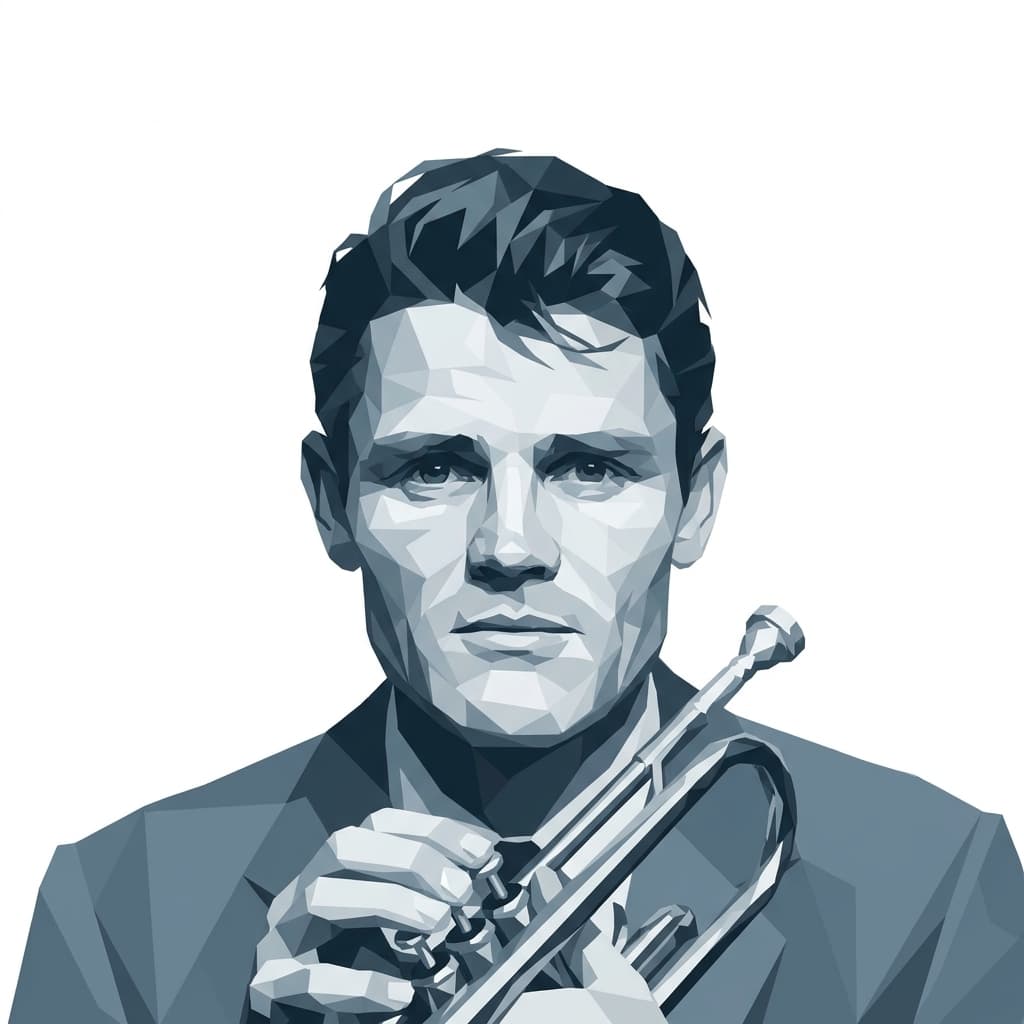
Canadian actor, Star Trek's Captain Kirk, prolific performer, author, and unrepentant cultural showman.
Design
- Q10.5
- h15.5
- R55.2
- g51.6
- i57.6
- S61.1
- T14.1
- U7.4
- V53.3
- W38.4
- X21.3
- Y59.6
- Z53.6
Personality
- Q25.3
- h46.3
- R27.3
- g21.6
- i48.6
- S17.4
- T49.1
- U56.3
- V39.2
- W61.2
- X21.6
- Y59.4
- Z53.4
William Shatner is a Projector — the type designed to see angles others miss and steward attention rather than generate it endlessly — and the strangest fact about his career is that he's outlasted nearly every Generator who ever shared a soundstage with him. Born in Montréal in 1931, trained in Shakespeare at the Stratford Festival, he stumbled into a sci-fi pilot in 1966 and turned a three-season cancellation into one of the most recognized roles in television history. He didn't out-hustle his peers. He outlived them by being uncannily good at being looked at.
The Captain Kirk performance is a master class in recognizing what a scene actually needs in the moment — when to whisper, when to declaim, when to rip his shirt. Directors complained about his line readings for decades, but audiences kept returning because the choices were never generic. His 3/5 profile — the experimenter who becomes a problem-solver others project onto — fits him eerily well. He's tried everything: spoken-word albums in 1968 that critics buried and hipsters later canonized, a singing career he kept reviving, horse breeding, novel-writing, a documentary about his own toupees. Most of it failed publicly before any of it succeeded. He kept going.
His off-screen reputation has always been complicated, and he's been refreshingly willing to talk about it. Co-stars from the original Star Trek cast spent decades describing him as difficult; he's responded with the kind of blunt self-inquiry that pulls feelings out of a room rather than papering them over. The 2011 documentary The Captains, where he interviewed every actor who'd played a Trek captain, is essentially him working through a long emotional wave on camera, arriving at something close to peace with what the role cost him and gave him.
In his eighties and nineties he became something almost no one predicted: a beloved elder. His Priceline ads made him rich. His Twitter feed made him relevant. In October 2021, at ninety, he flew to the edge of space on Blue Origin's New Shepard and came back visibly shaken, describing not exhilaration but grief for the fragile Earth below — a willingness to be cracked open by an experience most performers would have packaged. It was a Projector moment in the purest sense: waiting until the invitation came from Bezos himself, then telling the truth about what he saw.
He has been unembarrassed about loving his own oddness in a way that disarms people — the half-spoken cover of "Rocket Man," the earnestness of his horse barn, the late-career albums with Ben Folds. His detractors call it ham; his defenders call it commitment. Both are right. He metabolizes attention by telling stories from his own life as if every anecdote contained a small revelation, which is why his memoirs and one-man shows keep selling.
What's left is a man who keeps starting new things well past the age most peers have stopped, who fights publicly for the causes and grudges he believes are worth it, and who has somehow turned a lifetime of being slightly too much into the exact right amount.
Sources: biography · birth data

What do you and William Shatner have in common?
Enter your birth details to find out