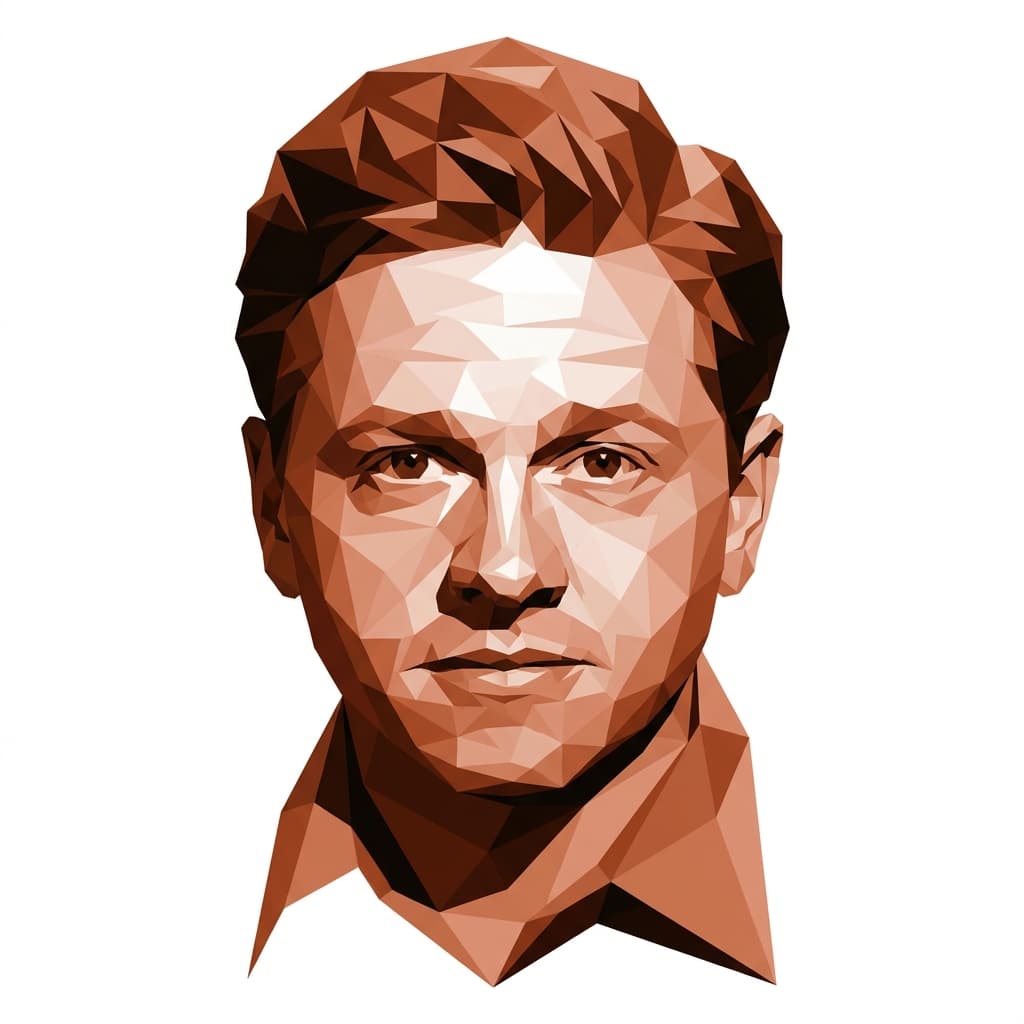
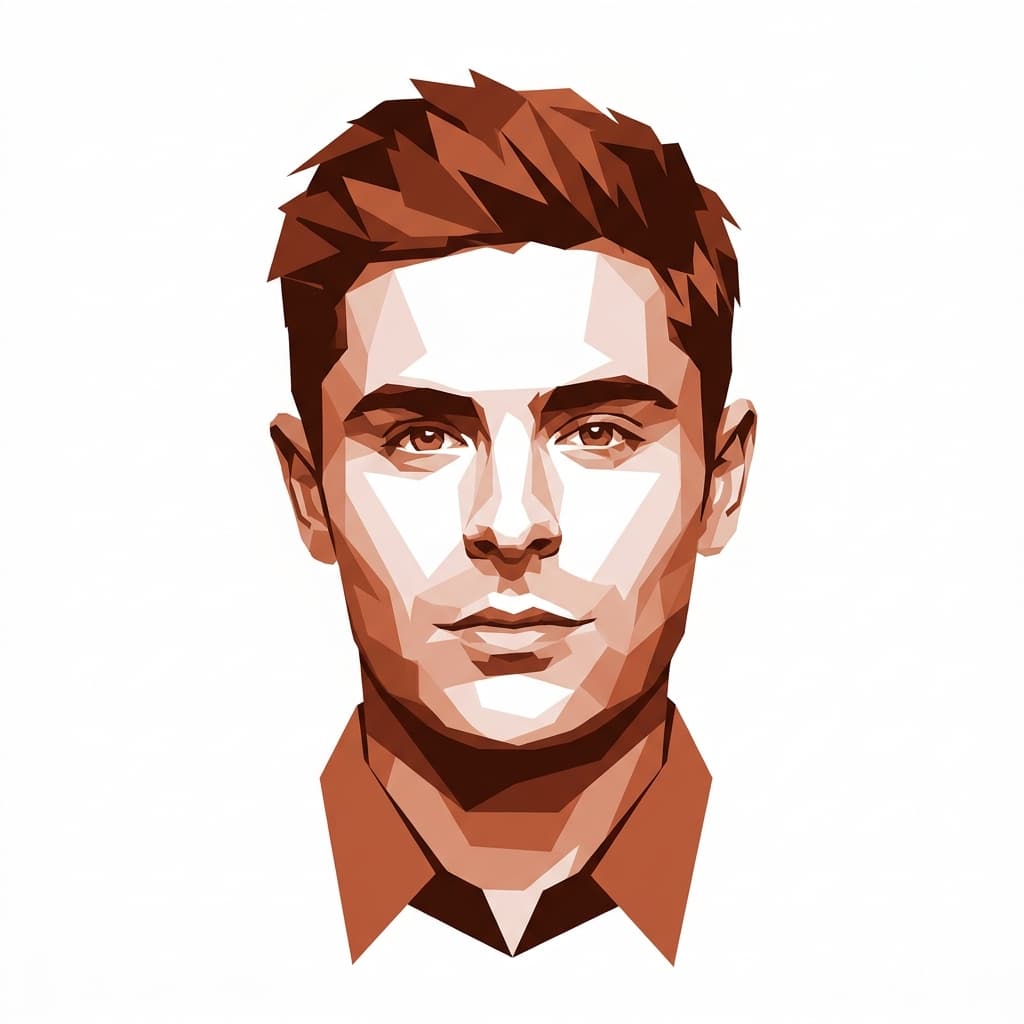
American actor who evolved from Disney musical heartthrob into physically transformative dramatic performer and documentary host.
Design
- Q56.1
- h60.1
- R23.6
- g17.2
- i18.2
- S52.5
- T53.3
- U33.2
- V3.2
- W5.5
- X11.1
- Y58.3
- Z28.6
Personality
- Q32.5
- h42.5
- R40.5
- g25.5
- i46.5
- S44.6
- T44.3
- U18.3
- V42.5
- W26.1
- X11.2
- Y58.2
- Z44.2
Zac Efron is a Generator — built for the long, repetitive grind of learning something to mastery, and his career has been exactly that kind of slow accumulation dressed up as overnight success. He was doing community theater in San Luis Obispo before he could drive, taking voice lessons, showing up to auditions in Los Angeles his parents drove him to on weekends. By the time High School Musical aired on the Disney Channel in 2006, he had already spent years saying yes only to what his gut lit up on — small TV guest spots, regional stage work, the kind of resume nobody sees.
The High School Musical phenomenon turned him into the kind of face teenagers taped to bedroom walls, and it also handed him the classic 5/1 problem of being seen as a projection rather than a person. Interviewers wanted Troy Bolton. Directors wanted the singing-dancing heartthrob. Efron responded by going quiet and doing his homework — retreating between projects, working with acting coaches, studying the actors he wanted to become. He turned down the Footloose remake, a decision that at the time read as career suicide and in retrospect looks like the kind of restraint that protects long-term value.
What followed was a decade of methodical role selection that only makes sense if you understand he was waiting for specific projects to land in front of him rather than chasing the biggest paycheck. The Paperboy, Neighbors, We Are Your Friends, The Greatest Showman. Some hit, some didn't, but the pattern was consistent: he was building a foundation piece by piece, reshaping his body and his register for each part with the discipline of someone who genuinely enjoys the reps. The Baywatch physique became a meme, then a cautionary tale he later spoke openly about — the extremity of that preparation had cost him something, and he wasn't going to do it again.
His performance as Ted Bundy in Extremely Wicked, Shockingly Evil and Vile was the turn nobody expected and everybody should have. He used the pretty-boy projection as a weapon — taking a familiar surface and reordering what it meant. Around the same time he launched Down to Earth on Netflix, wandering around the world in linen shirts asking earnest questions about sustainable water and Sardinian centenarians. It was the persuasive charm of someone who actually cares what he's selling, pointed at ideas rather than products. In The Iron Claw he disappeared into Kevin Von Erich with a heaviness that felt earned — meaning found through sustained physical struggle.
Efron talks in interviews about needing long stretches away from Los Angeles, about ranch time, about the rituals of training and eating and sleeping that keep him functional. He nearly died from a swimming pool accident in Spain in 2024 and came out of it, characteristically, without turning it into a public spectacle. He's a working actor now more than a star, which seems to be what he was always after — the invitation to keep improving the craft, one specific role at a time, on his own timing.
Sources: biography · birth data
What do you and Zac Efron have in common?
Enter your birth details to find out