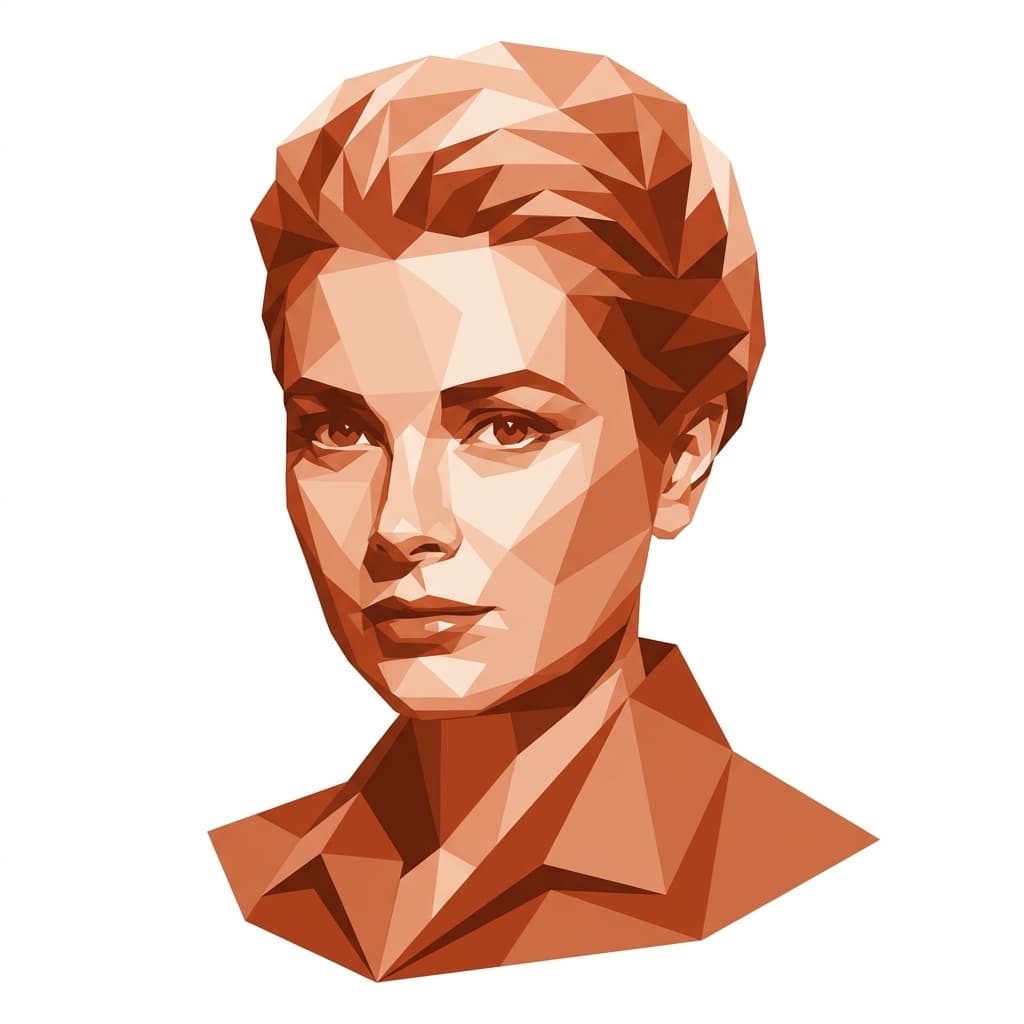
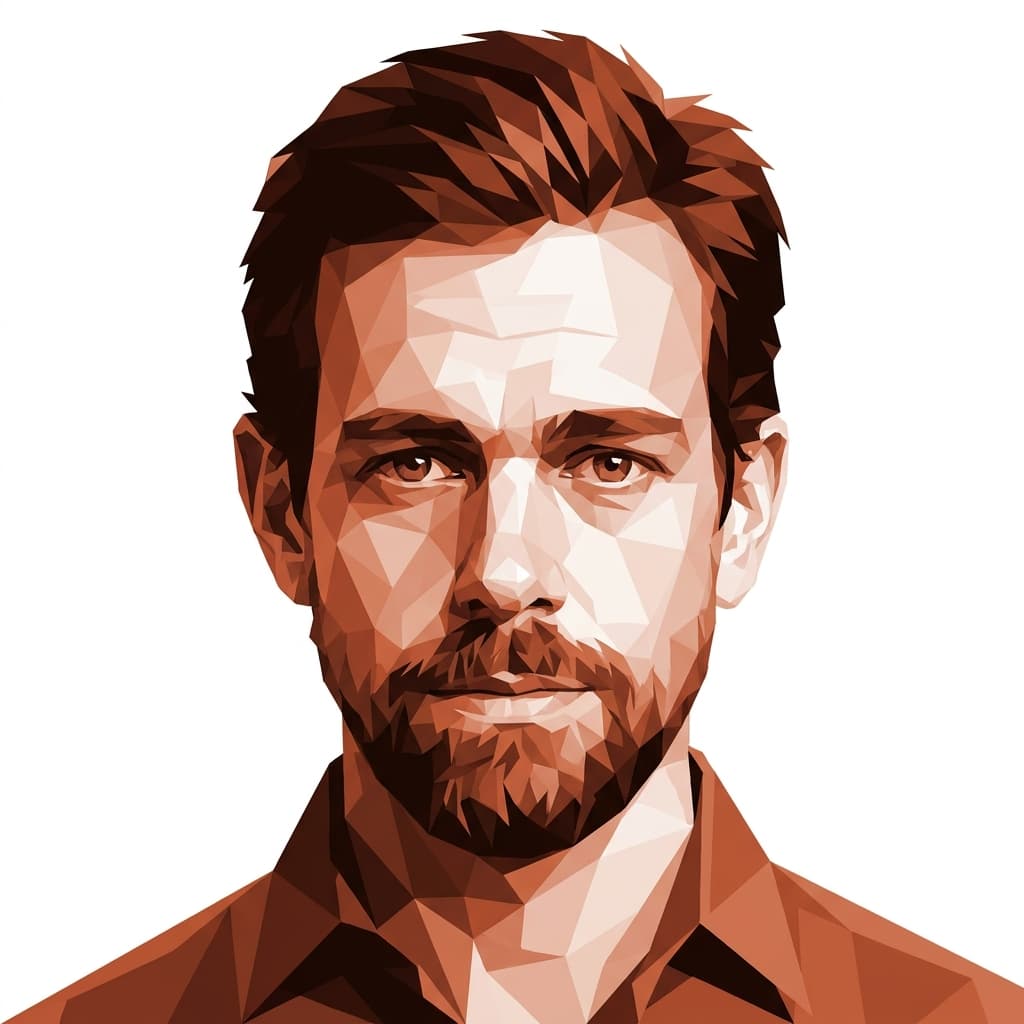
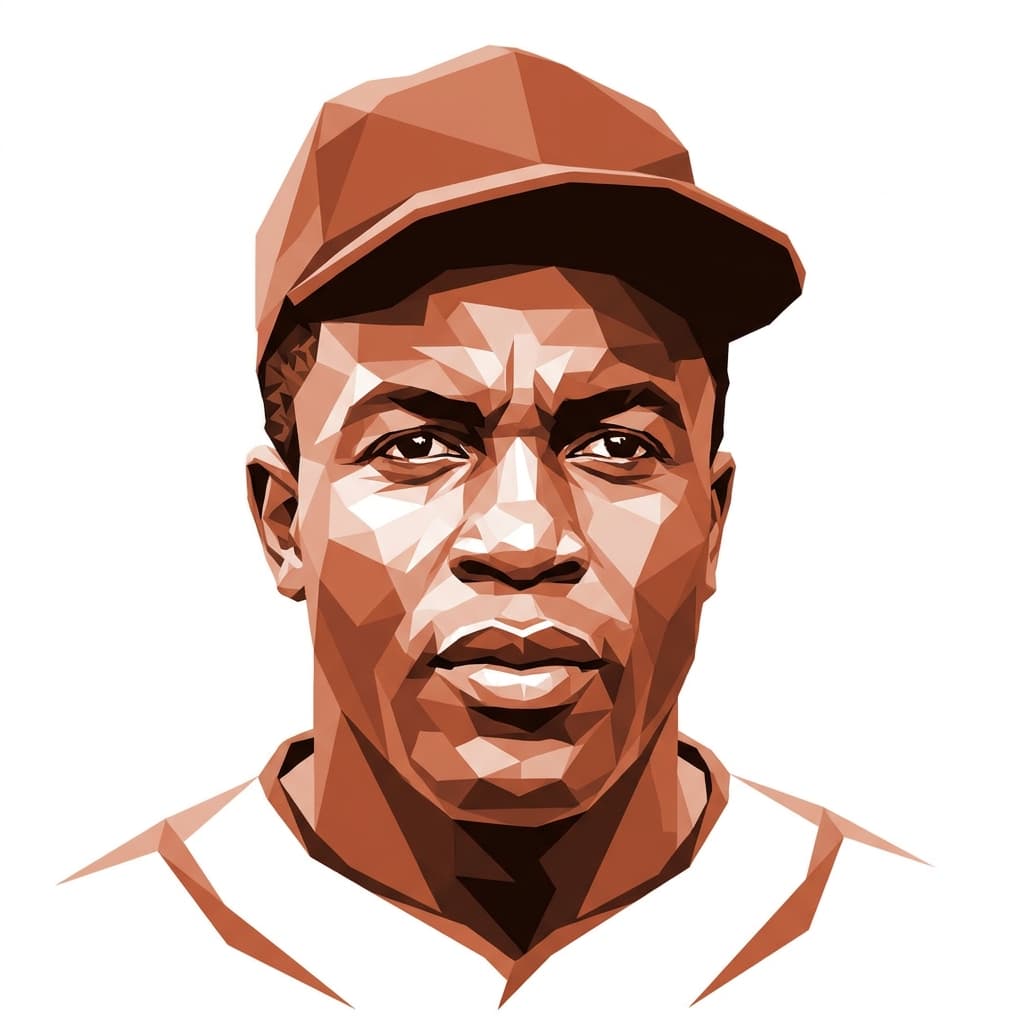
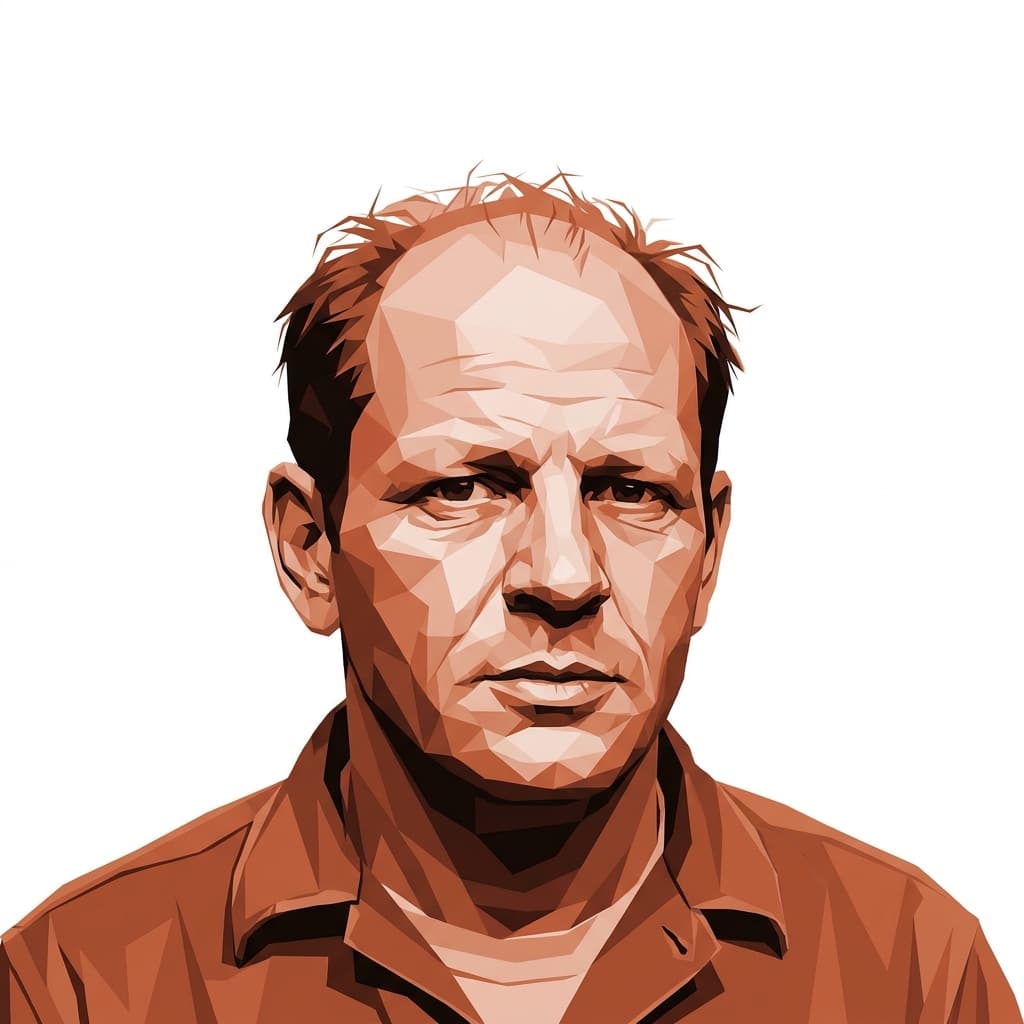
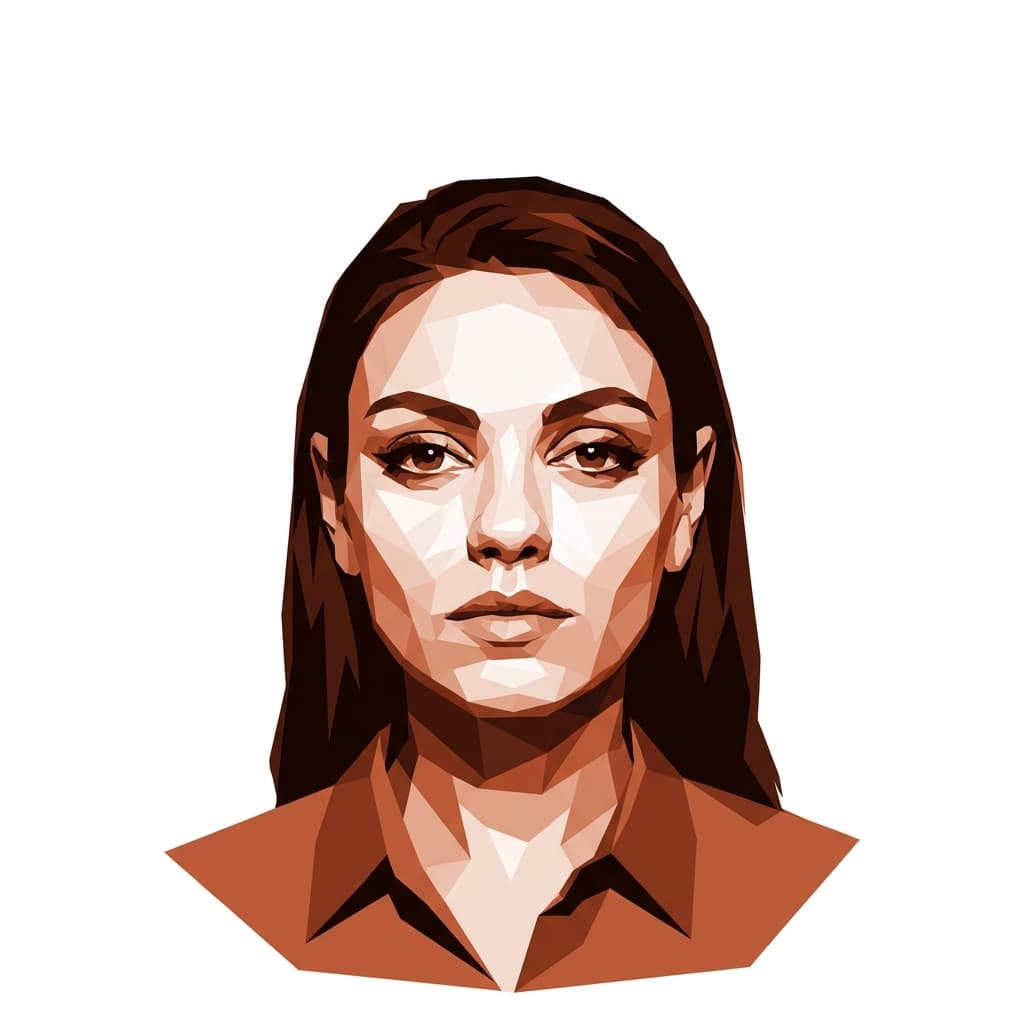
Ukrainian-American actress known for That '70s Show, Black Swan, and producing candid comedies with Ashton Kutcher.
Design
- Q23.5
- h43.5
- R35.5
- g12.3
- i11.3
- S23.2
- T52.2
- U8.5
- V9.3
- W50.4
- X9.3
- Y10.1
- Z50.2
Personality
- Q4.3
- h49.3
- R44.2
- g12.1
- i11.1
- S47.2
- T40.2
- U56.5
- V34.2
- W50.4
- X34.6
- Y11.5
- Z50.1
Mila Kunis is a Generator — built for stamina, deep engagement, and the kind of long haul that turns a childhood sitcom job into a three-decade career without visible strain. She landed That '70s Show at fourteen, lied about her age to get the audition, and then stayed on the series for eight seasons. Generators are designed to work in ways that satisfy them, and Kunis has always described acting as something she genuinely likes doing, not something she agonizes over.
Born in Chernivtsi and moved to Los Angeles at seven with a family that arrived in the U.S. with roughly $250, she learned English in a Russian-speaking household by watching The Price Is Right. That immigrant arc shows up in her 3/5 profile, the trial-and-error experimenter who becomes a practical problem-solver — someone who figures things out by living them rather than studying first and who carries a certain wariness about repeating old mistakes. Interviewers regularly note how grounded and unfussy she seems for someone who's been famous since middle school.
Her big pivot was Black Swan in 2010, a role she chased hard and physically transformed for — twenty pounds off, ballet training for months. It's a very Generator move: waiting for the role that actually lit her up and then pouring the full tank of energy into it. She's talked openly about turning down projects that didn't feel right, and about the full-bodied gut response she uses to decide — a yes she can feel, or a no she doesn't bother explaining.
The public Kunis has a distinctive, slightly cutting way of saying exactly what she means in interviews — the Marie Claire piece about not spending money on a wedding, the viral open letter about being called "difficult" for asking to be treated as a producer rather than a wife. She reads the room and picks her moment, then delivers something quotable enough to travel for a week. It's not accidental; she's choosy about which fights are worth having and which are noise.
With Ashton Kutcher she's built a life that looks, by Hollywood standards, almost aggressively normal — two kids, a self-built farmhouse-style home in Beverly Hills, a stated commitment to raising the children without nannies and without inherited wealth. She protects the family unit with clear, unsentimental values and has been public about the boundaries: no photos of the kids, limited premieres, work scheduled around school. The 2022 controversy over her and Kutcher's letters supporting Danny Masterson was a rare misstep she addressed directly rather than letting handlers manage.
Since founding Orchard Farm Productions, she's leaned into producing — Luckiest Girl Alive, The Spy Who Dumped Me, the Two and a Half Men residuals fund. It suits her: energy channeled into building something over years, deep focus on projects she actually wants to shepherd, and enough distance from the machine to keep doing it on her own terms.
Sources: biography · birth data
What do you and Mila Kunis have in common?
Enter your birth details to find out