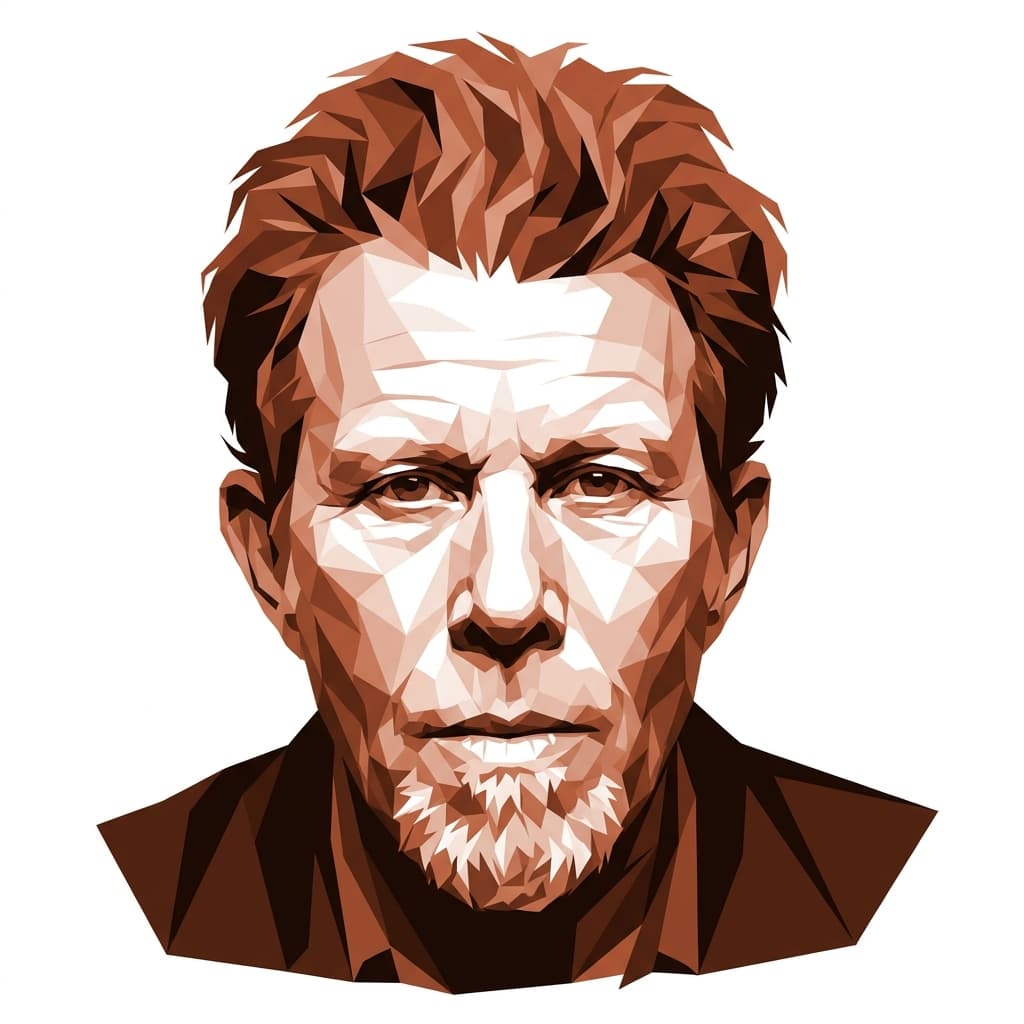
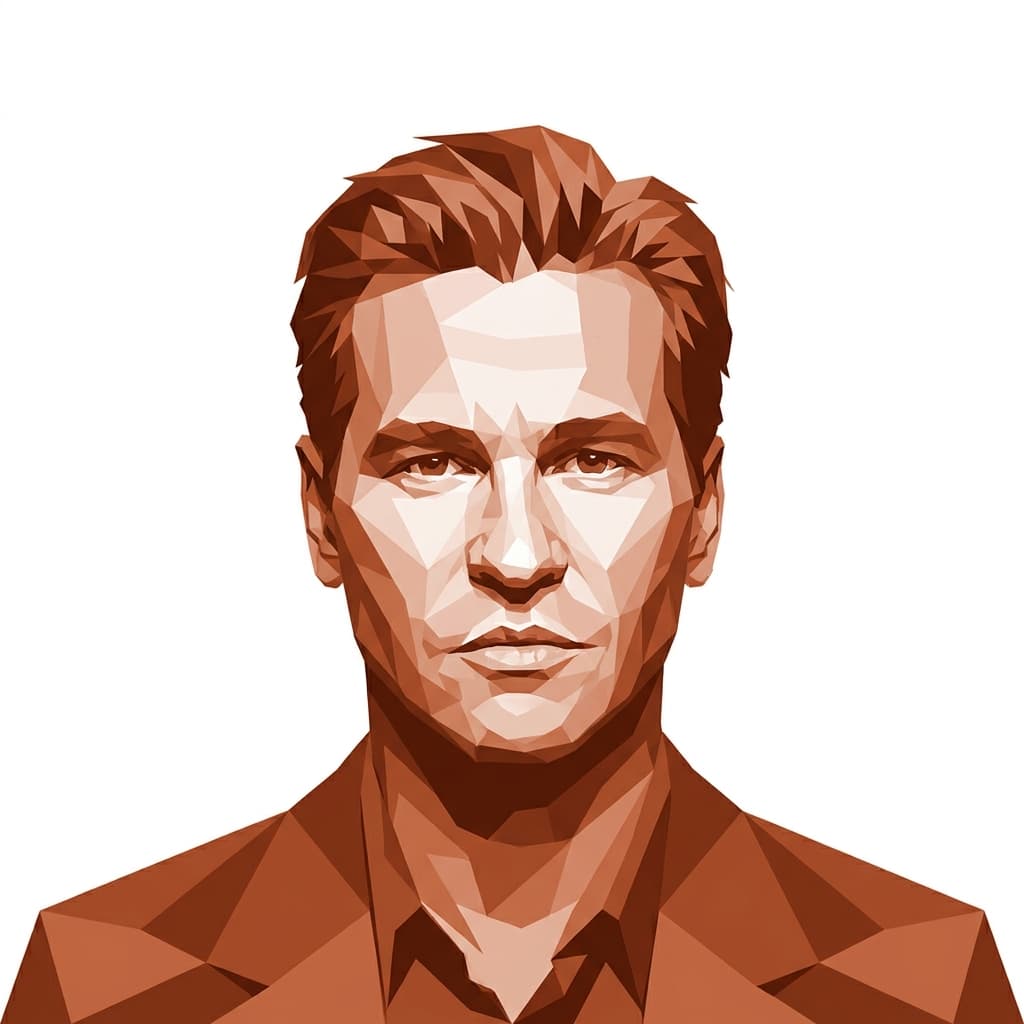
American pop singer-songwriter and producer known for perfect pitch, viral hits, and obsessive studio craft.
Design
- Q64.1
- h63.1
- R62.5
- g54.3
- i53.3
- S4.6
- T4.4
- U46.5
- V29.5
- W60.5
- X38.1
- Y38.5
- Z1.6
Personality
- Q9.5
- h16.5
- R50.3
- g38.1
- i39.1
- S11.1
- T32.6
- U34.3
- V64.3
- W41.1
- X38.3
- Y54.1
- Z43.3
Charlie Puth is a Generator — built with the sustained energy to sit at a piano for ten hours dissecting a chord voicing until it clicks — and his whole public persona is basically that engine on display. He grew up in Rumson, New Jersey, started classical piano at four, was diagnosed with perfect pitch, and by his teens was uploading jazz covers and original songs to a YouTube channel his mother helped him run. Berklee came next, then a viral Ellen appearance, then a career-launching accident: the "See You Again" hook, written quickly for the Furious 7 tribute to Paul Walker, became one of the most-streamed songs of the decade.
What's striking about Puth is how visibly he waits for something to respond to. His TikTok era — the one where he built "Light Switch" in public, layering finger-snaps and pitch-shifted vocals for millions of viewers — was less performance than a live demonstration of the gut-level yes that arrives before the reasoning does. He'd hear a sound in a room, freeze, and chase it. Fans watched him respond to a squeaky chair, a door hinge, a random note someone hummed, and turn it into the spine of a song within minutes.
His 5/1 profile — the investigator who steps out to solve problems once the foundation is solid — shows up in the way he teaches. Puth is unusual among pop stars in how openly he explains his craft: breaking down why a certain chord makes you cry, why a snare hits harder at a specific frequency, why Michael Jackson's melodies work. It's the mastery of someone who's practiced the same thing ten thousand times meeting the compulsion to figure out exactly why it works. He's built a reputation as pop's resident music-theory nerd, and that expertise is what he leads with.
The perfectionism has a cost. Puth has talked candidly about scrapping nearly-finished albums, rewriting songs he'd already mastered, and getting lost in the tiny details others would never notice — a single vocal syllable, a hi-hat placement, a reverb tail. The 2022 album Charlie came after years of that kind of restlessness, and he was open about how much of it was the pressure to question whether the logic of a song actually held up. He's the artist who will admit, on camera, that he almost gave up on a hit because one bar felt wrong.
There's also a genuine emotional charge underneath the theory-nerd exterior. His songs — "Attention," "We Don't Talk Anymore," "Dangerously" — trade in pulling the uncomfortable feeling out into the open, often addressed to someone he refuses to fully name. He's a natural starter of things, quick to post a snippet, quick to tease a collab, and he pairs that with the stubborn follow-through of someone who actually finishes the album. When he talks about the industry, he sounds like someone whose instincts about what will last and what won't are usually right — protective of songcraft, allergic to shortcuts, and unwilling to release anything he can't defend note by note.
Sources: biography · birth data
What do you and Charlie Puth have in common?
Enter your birth details to find out