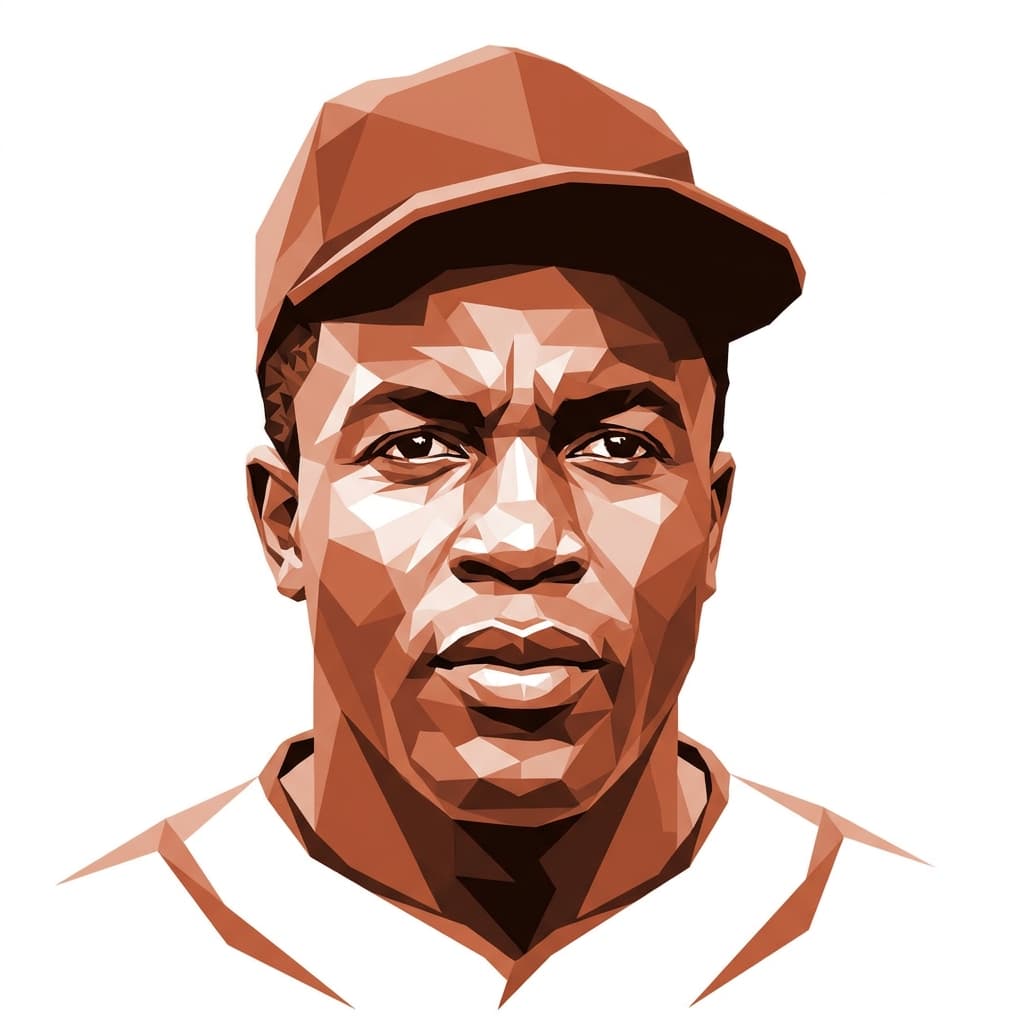
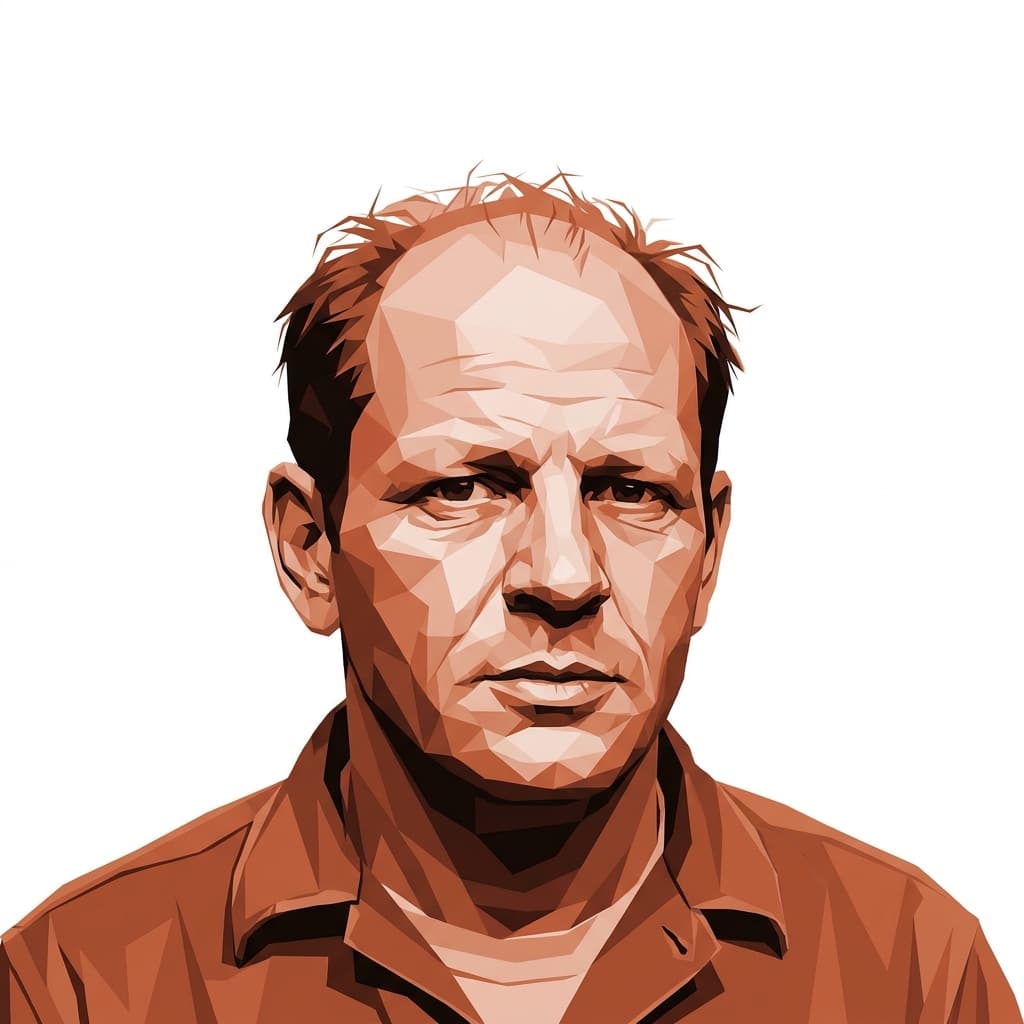
American singer-songwriter and actor known for gravelly voice, junkyard instrumentation, and theatrical barroom storytelling.
Design
- Q47.1
- h22.1
- R51.4
- g51.2
- i57.2
- S48.5
- T32.5
- U56.6
- V61.2
- W40.6
- X52.1
- Y48.5
- Z7.5
Personality
- Q5.5
- h35.5
- R52.5
- g21.6
- i48.6
- S11.2
- T60.6
- U47.6
- V60.6
- W47.3
- X15.6
- Y57.2
- Z7.6
Tom Waits is a Generator — built with the stamina to dig into one strange, specific seam of American music and work it for half a century without exhausting the vein. He started in the early 1970s playing piano in Los Angeles dives, doing a kind of beatnik-lounge act that nobody had asked for, and he simply kept showing up until the world came around. The career arc is less about reinvention than about a guy following what lit him up, night after night, until the catalog became a country of its own.
His 5/1 profile shows up in how he works: years of investigation feeding bursts of public-facing leadership. Waits is famously a researcher of obscure Americana — old field recordings, vaudeville routines, German cabaret, junkyard percussion — and he disappears into that material for long stretches before emerging with a record. He's intentional about which problems are his to solve, turning down endless commercial offers (he successfully sued Frito-Lay for imitating his voice in an ad) and refusing to let his songs sell potato chips. That instinct for what's worth preserving, and what will erode his work if he lets it in, has shaped his catalog as much as any musical choice.
The 1983 album Swordfishtrombones is the famous pivot — Waits ditched the strings-and-piano balladeer mode and started building songs out of marimbas, brake drums, pump organs, and parade-band horns. That move was the kind of courage that shocks people into new territory, and it's also innovation born from working inside tight constraints: cheap instruments, weird rooms, no-budget tracking. His collaborator and wife Kathleen Brennan, whom he credits as co-architect of everything since, helped him trust that the junkyard sound was the real one.
Live and in the studio, Waits operates with an ear that treats sound itself as the subject — he records in concrete bathrooms, bangs on furniture, mics things from across the room. He's spoken often about hearing songs before he writes them, trusting an instinct that arrives without an explanation. The voice itself — that ruined, barking, tender instrument — is a deep well of character work that took decades to refine, and he uses it like a character actor uses a face.
What he actually does on record is tell stories. Waits is a storyteller weaving lives out of pawnshops and last calls, pulling sailors, widows, one-armed dwarves, and prostitutes into songs that feel reported from somewhere real. The lyrics overflow with a brain that won't stop generating images and what-ifs, and his best songs find sudden grace in characters most writers would walk past. His film work — Jarmusch, Coppola, Altman, Roberto Benigni — extends the same project by other means.
He lives mostly in rural Northern California, away from the industry, protective of the solitude that lets him keep working. He tours rarely, gives interviews in character, and treats his private life as none of anybody's business. After fifty years, Waits has become exactly what his chart suggests: a deeply researched specialist who emerged from the workshop with something nobody else could have built.
Sources: biography · birth data

What do you and Tom Waits have in common?
Enter your birth details to find out