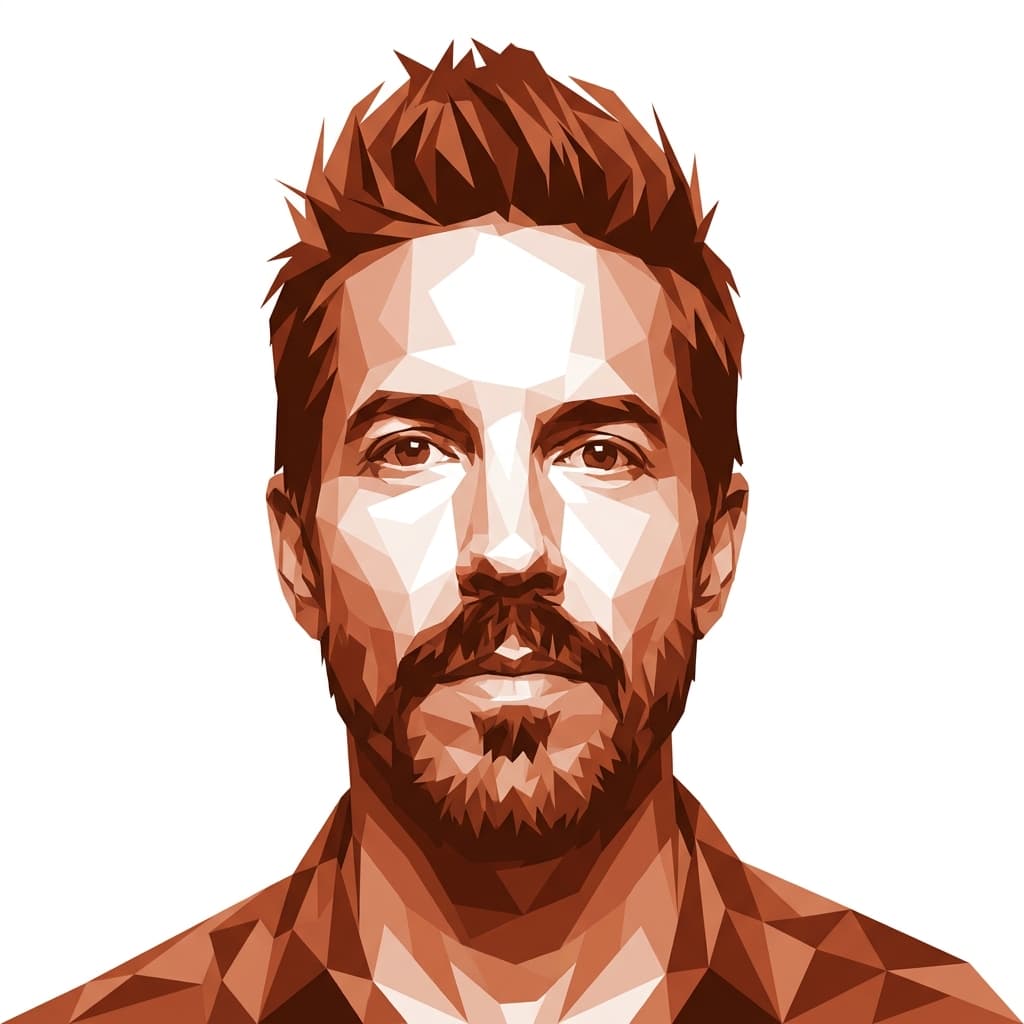
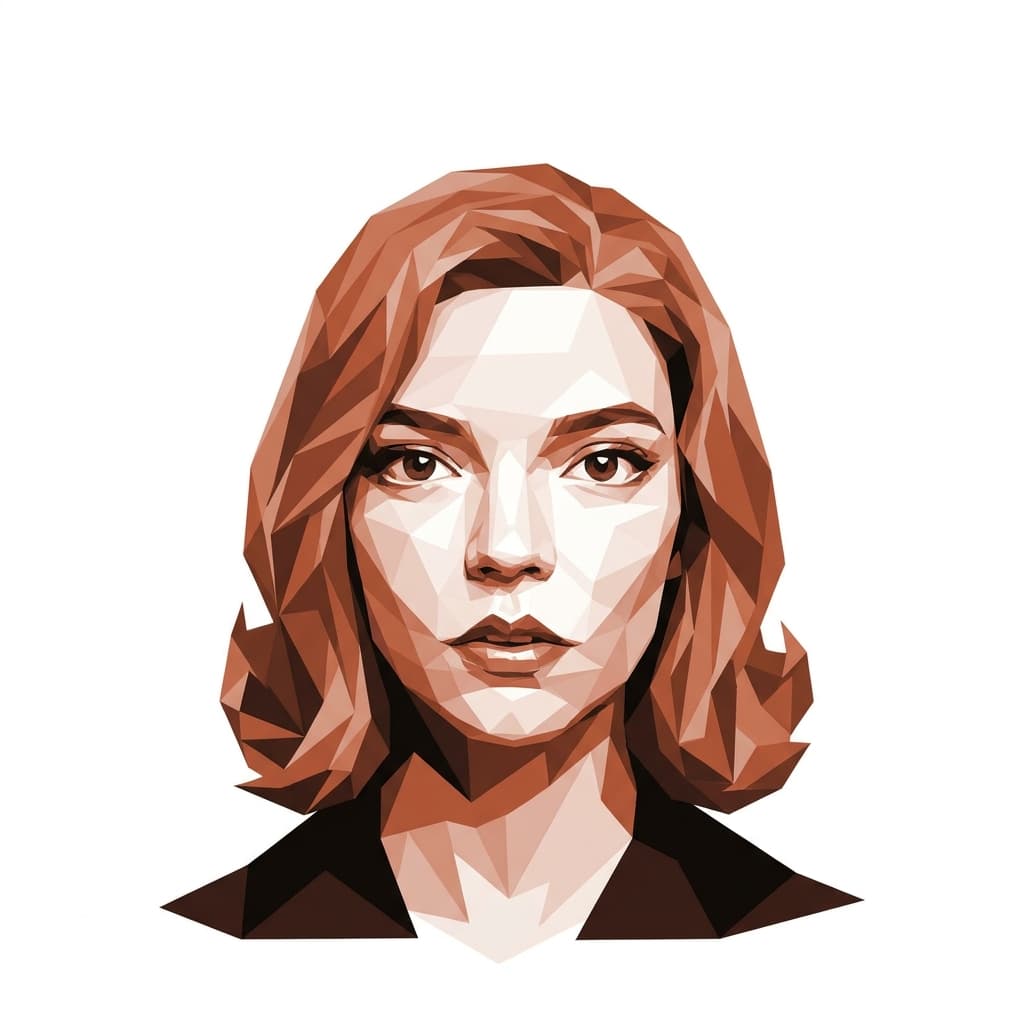
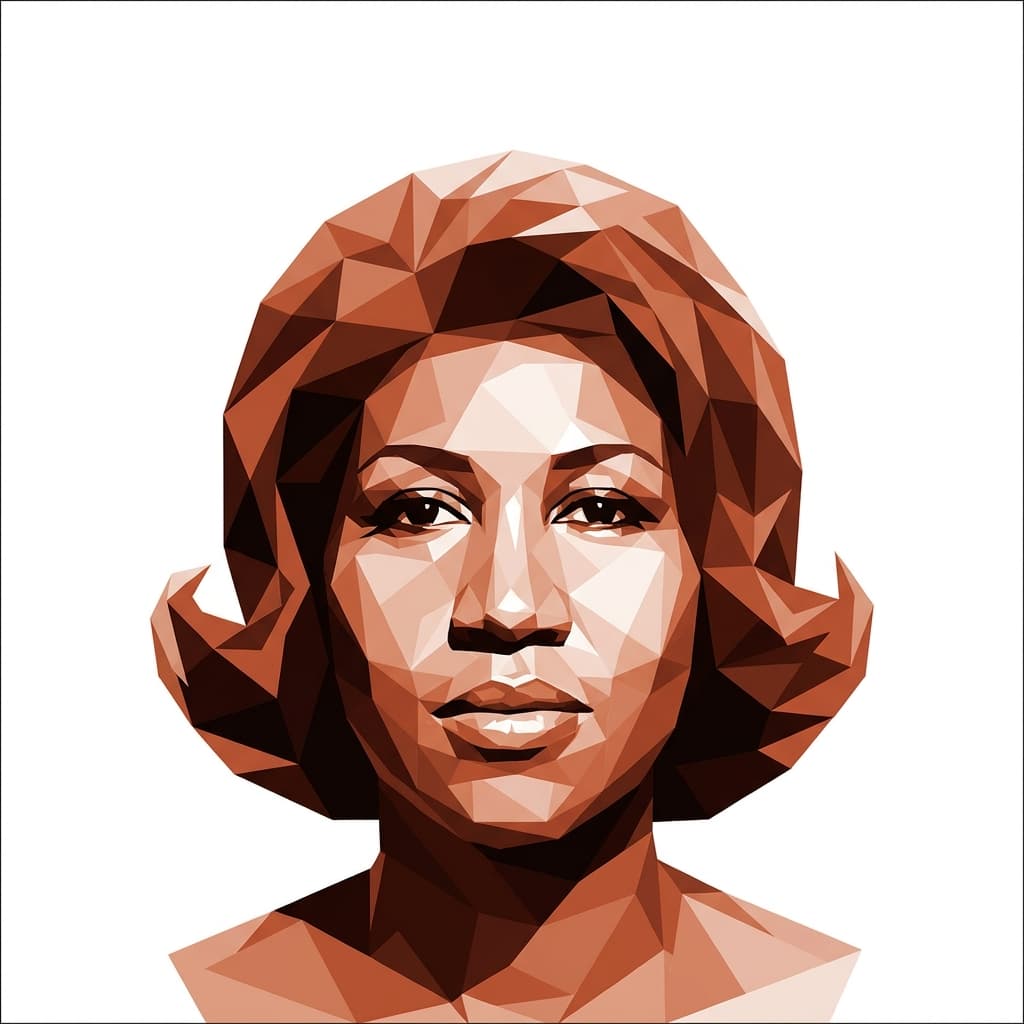
American singer known as the Queen of Disco, whose voice defined an era of dance music.
Design
- Q48.4
- h21.4
- R43.3
- g27.4
- i28.4
- S28.4
- T29.5
- U43.4
- V11.1
- W59.2
- X15.3
- Y48.4
- Z7.4
Personality
- Q38.1
- h39.1
- R60.4
- g27.1
- i28.1
- S61.1
- T5.4
- U60.1
- V38.1
- W40.1
- X12.6
- Y48.6
- Z7.4
Donna Summer was a Generator — built with the stamina to sing take after take, tour after tour, and outlast a genre that everyone else assumed would burn out fast. Born LaDonna Adrian Gaines on the last day of 1948 in Boston's Mission Hill, she was the fourth of seven children in a churchgoing family, and she started singing in Grand Avenue Baptist as a child. The story she told for decades was that at ten years old, filling in for a soloist who didn't show, she felt God in the room and knew what she was here to do. That kind of certainty — arriving all at once, without argument — would follow her the rest of her life, showing up as the gut-level yes that didn't need explaining.
She left high school weeks before graduation to join a rock band called Crow, then flew to Munich in 1968 for a role in the German production of Hair. She stayed in Europe almost a decade, singing in Godspell and Porgy and Bess, marrying Austrian actor Helmuth Sommer, learning German well enough to record in it. This was the 1/4 profile doing what it does: going deep into the craft before broadcasting anything, building a foundation session by session in Munich's studios where nobody in America was watching yet.
The break came through Giorgio Moroder and Pete Bellotte at Musicland Studios. When Moroder pitched "Love to Love You Baby," Summer's contribution — those seventeen minutes of breathy vocal improvisation recorded with the studio lights off — was famously spontaneous, an in-the-moment response that pulled a whole genre into being. Two years later, "I Feel Love" arrived with Moroder's Moog sequencer underneath her, and Brian Eno reportedly ran into the studio telling Bowie he'd just heard the sound of the future. Summer was the voice on top of a new machine, turning the constraint of a repeating synth pulse into something that felt like liberation.
Her run from 1975 through 1980 is one of the strangest in pop history — five double albums, a Best Rock Vocal Grammy for "Hot Stuff," "Bad Girls" and "MacArthur Park" and "Last Dance" all inside the same window. She could sing gospel, disco, rock, and standards in the same set, moving between extremes most vocalists never attempted. "She Works Hard for the Money" in 1983 came from a bathroom-attendant encounter at a Los Angeles restaurant — Summer saw the woman sleeping upright and wrote an anthem for people nobody was watching.
The backlash was brutal. Disco Demolition Night at Comiskey Park in 1979, a widely misreported comment attributed to her about AIDS in the early '80s that took years to walk back, a long legal fight with Casablanca Records over royalties. She became a born-again Christian, moved to Nashville, painted seriously, kept touring. She chose which fights were worth her energy and let the others go, and when she committed to a project — a tour, a record, her marriage to Bruce Sudano — she stayed with it all the way through. She died of lung cancer in May 2012, at 63, still working on new material.
Sources: biography · birth data
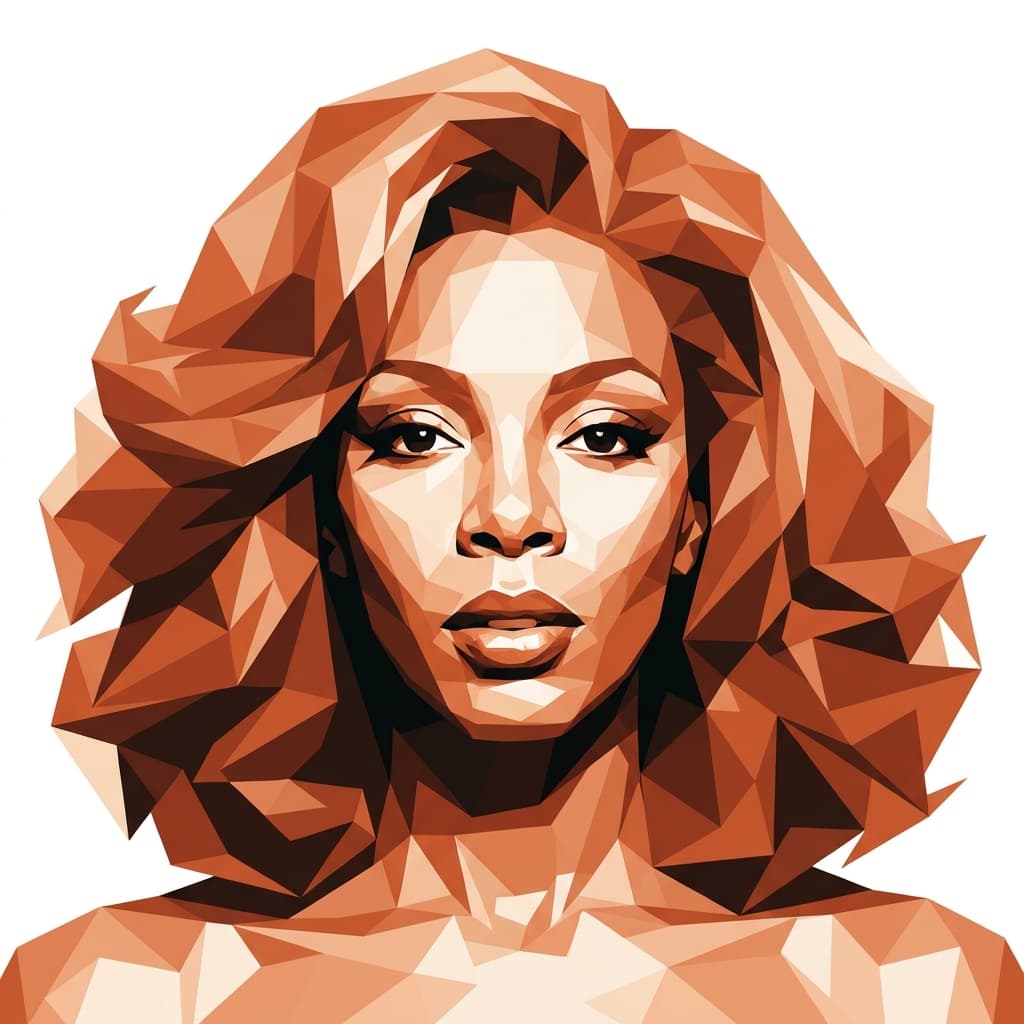
What do you and Donna Summer have in common?
Enter your birth details to find out