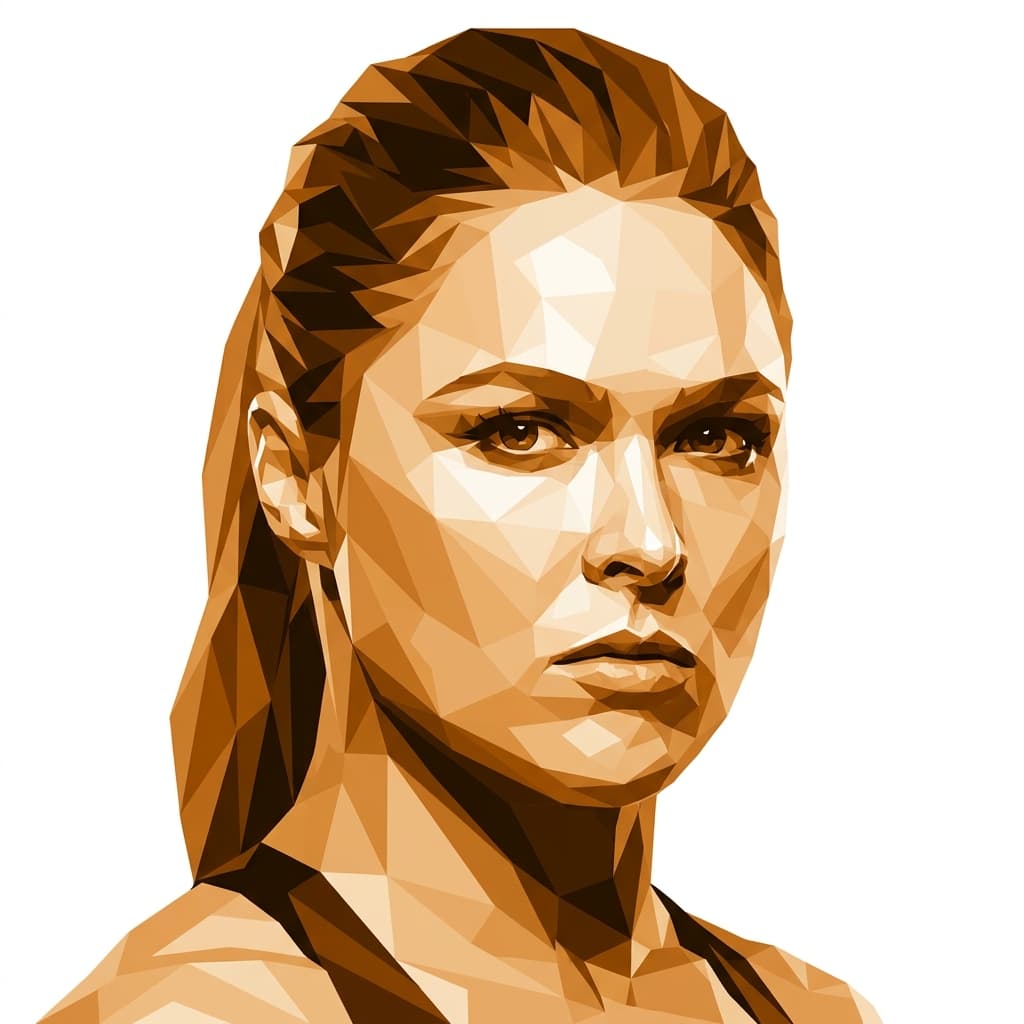
American actress known for Martha Marcy May Marlene and her Marvel role as Wanda Maximoff.
Design
- Q34.1
- h20.1
- R2.3
- g37.6
- i40.6
- S14.1
- T50.3
- U25.6
- V20.2
- W10.3
- X10.2
- Y58.5
- Z44.6
Personality
- Q30.5
- h29.5
- R53.4
- g55.6
- i59.6
- S41.1
- T13.4
- U2.4
- V8.4
- W38.2
- X58.1
- Y38.3
- Z1.3
Elizabeth Olsen is a Manifesting Generator — wired for multiple creative lanes and allergic to being boxed in — which helps explain why she spent years turning down the kind of fame her older sisters had already lived through, waiting for the right thing to show up. When it did, in 2011, it wasn't a franchise or a studio comedy. It was Martha Marcy May Marlene, a tiny Sundance indie about a cult escapee, and she arrived in it so fully formed that critics assumed she'd been working for a decade.
She grew up in the Valley watching Mary-Kate and Ashley become an industry, and she notably did not follow. She trained at NYU's Tisch, studied in Moscow at the Moscow Art Theatre School, and only started auditioning seriously after she'd built real technique — a textbook 5/1 profile move, investigating the foundation before stepping out as someone others could trust. That instinct to go deep before going public has shaped nearly every role since. She tends to show up on set already having done the reading.
Her path through the Marvel machine is a case study in waiting for the gut-level yes inside a system that wants quick answers. She signed on for Wanda Maximoff in Age of Ultron and spent nearly a decade with the character, culminating in WandaVision — the project where she finally got to let the full emotional spectrum land, grief and rage and love playing out through a sitcom pastiche. She's talked openly about how exhausting the press cycles were, how she needed real time to decide whether to keep going, and how she had to sit with a decision for days before trusting it.
Between Marvel contracts she kept making the small, strange things: Wind River, Sorry for Your Loss, Love & Death, His Three Daughters. Friends and collaborators describe her as warm, loyal, protective of her people — a performer who treats her creative circle like family and gets quietly fierce about the writers and directors she believes in. She married musician Robbie Arnett in a near-secret ceremony and has mostly kept her personal life genuinely personal, which in her tax bracket requires actual discipline.
What makes her interesting on screen is a specific kind of stillness — she'll hold a moment longer than feels comfortable, letting the character's interior do the work instead of performing it outward. In Martha Marcy, in WandaVision's finale, in the Candy Montgomery courtroom scenes, she keeps finding this register of innocence that has clearly survived something. It's the thing casting directors kept noticing early and the thing she's refined into a signature.
She's been candid that she's still figuring out which problems are hers to solve and which aren't — turning down projects that would've been obvious yeses, taking long gaps between films, choosing theater runs in London over bigger paychecks. For someone built to follow what genuinely lights her up and pivot when the energy shifts, the career looks less like a strategy and more like a long practice of listening to what actually feels right.
Sources: biography · birth data

What do you and Elizabeth Olsen have in common?
Enter your birth details to find out