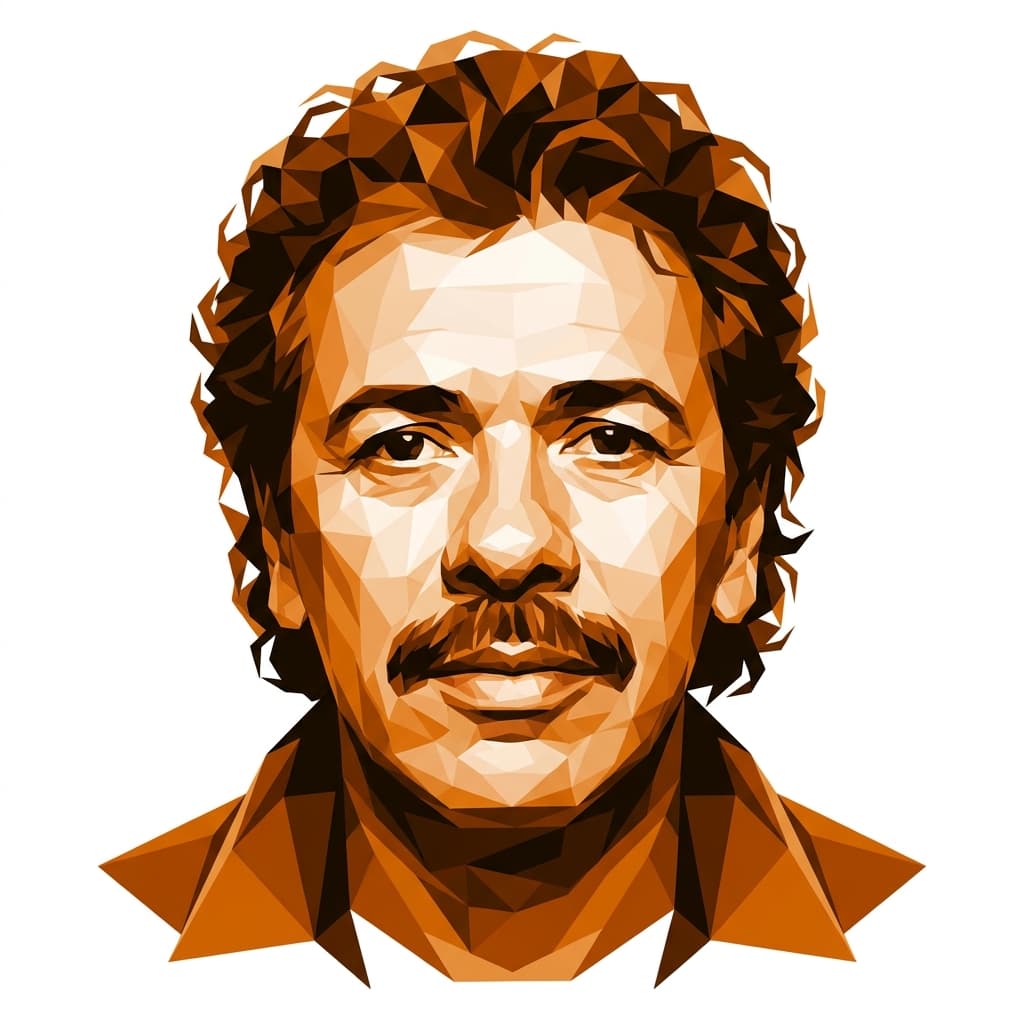
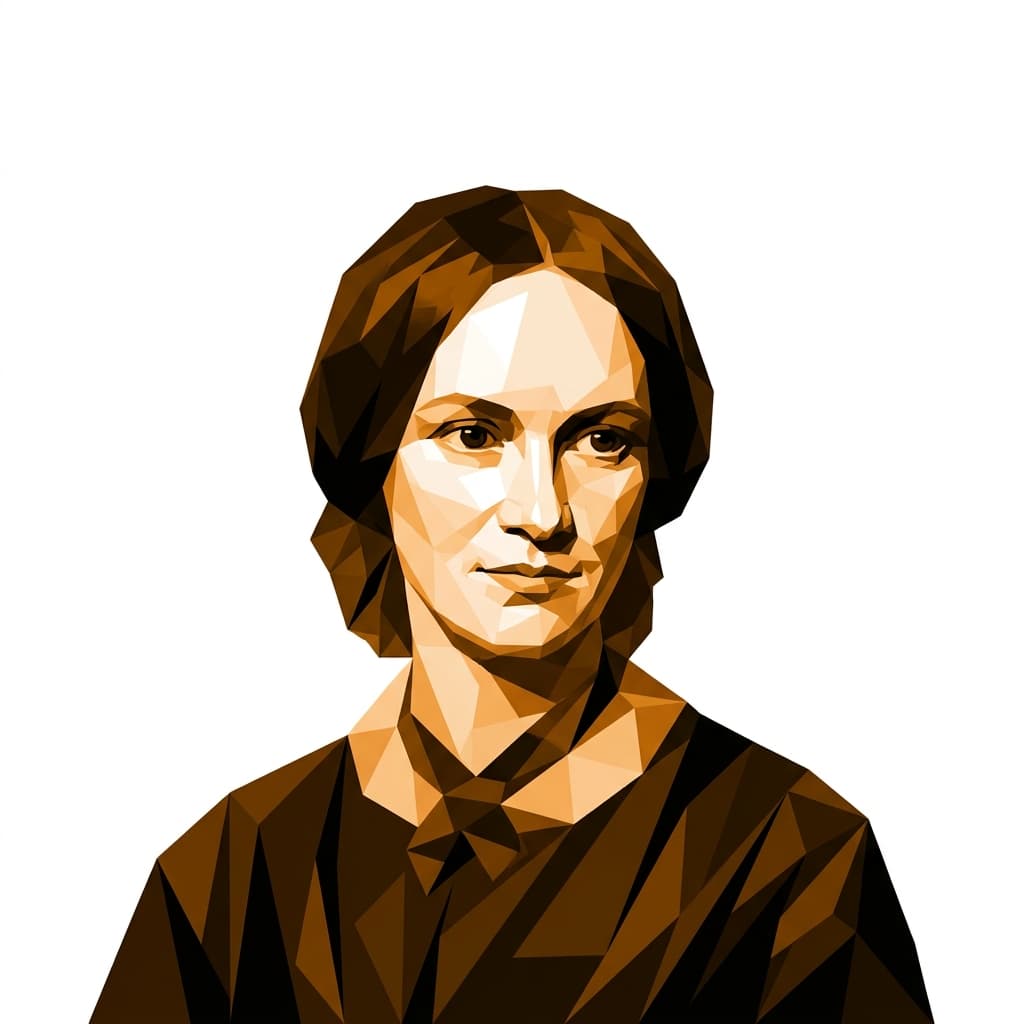
American actor, director, and founder of the Sundance Institute who reshaped independent film.
Design
- Q8.4
- h14.4
- R27.3
- g58.1
- i52.1
- S35.3
- T2.4
- U20.5
- V26.6
- W22.5
- X27.6
- Y64.3
- Z62.6
Personality
- Q29.2
- h30.2
- R47.3
- g10.5
- i15.5
- S47.2
- T40.5
- U31.4
- V5.4
- W22.5
- X24.3
- Y64.5
- Z56.2
Robert Redford is a Manifesting Generator — wired to chase several passions at once and refuse to be pinned down to one, which is exactly what his career has looked like since the early 1960s. He came up as a stage actor in New York, broke through on Broadway in Barefoot in the Park, then swerved into film with Butch Cassidy and the Sundance Kid and never really stopped adding new roles — leading man, director, producer, environmentalist, festival founder, painter. The through-line isn't a plan. It's following what actually lit him up next.
By the mid-1970s he was one of the most bankable stars in Hollywood — The Sting, The Way We Were, All the President's Men — and used that leverage to green-light material other people wouldn't touch, from Watergate journalism to environmental documentaries. His producing choices ran on an in-the-moment gut yes rather than a rationalized bet; collaborators have described him as slow to commit and then completely locked in once he did. That's the Gate 29 pattern of a discerning yes that then becomes total, and it explains both his relatively small filmography for a star of his era and the strange consistency of its quality.
The Sundance experiment is the clearest expression of his chart. In 1969 he bought land in the Utah mountains and named it after his most famous character; by 1981 he'd turned it into the Sundance Institute, a lab for independent filmmakers who had no other route to a screen. That's Gate 8's tastemaker instinct for what deserves attention before anyone else sees it, paired with Gate 14's capacity to generate real resources for work he genuinely loves. He wasn't trying to run a festival. He was trying to protect a kind of filmmaking, and the festival grew around that.
Redford has always been a 2/4 profile in the most literal sense — genuinely private, protective of his mountain house, uncomfortable with celebrity, and yet the opportunities of his life have all come through the community he cultivated. He directed Ordinary People in 1980 and won the Oscar for it, then largely disappeared into the hills between projects. Friends and Sundance alumni describe a man who recharges in solitude and shows up when it matters, then retreats again. His Gate 52 stillness is visible on screen too — the famous Redford quality of listening, of not needing to fill the space.
His environmental activism runs on the same wiring. He's testified before Congress on climate, fought oil development in Utah, and narrated dozens of conservation films — Gate 31 leadership that only really works when he's been invited to speak, rarely soapboxing, usually asked. When he talks about the American West you can hear Gate 56's storyteller instinct shaping the argument through place and memory rather than statistics, and Gate 10's refusal to be pushed off what he actually believes.
At his best, Redford has modeled what it looks like to pivot through many careers without apology — actor, director, activist, institution-builder — trusting that the next thing would show up when the current thing was done. That's not a strategy anyone taught him. It's just how his energy has always moved.
Sources: biography · birth data
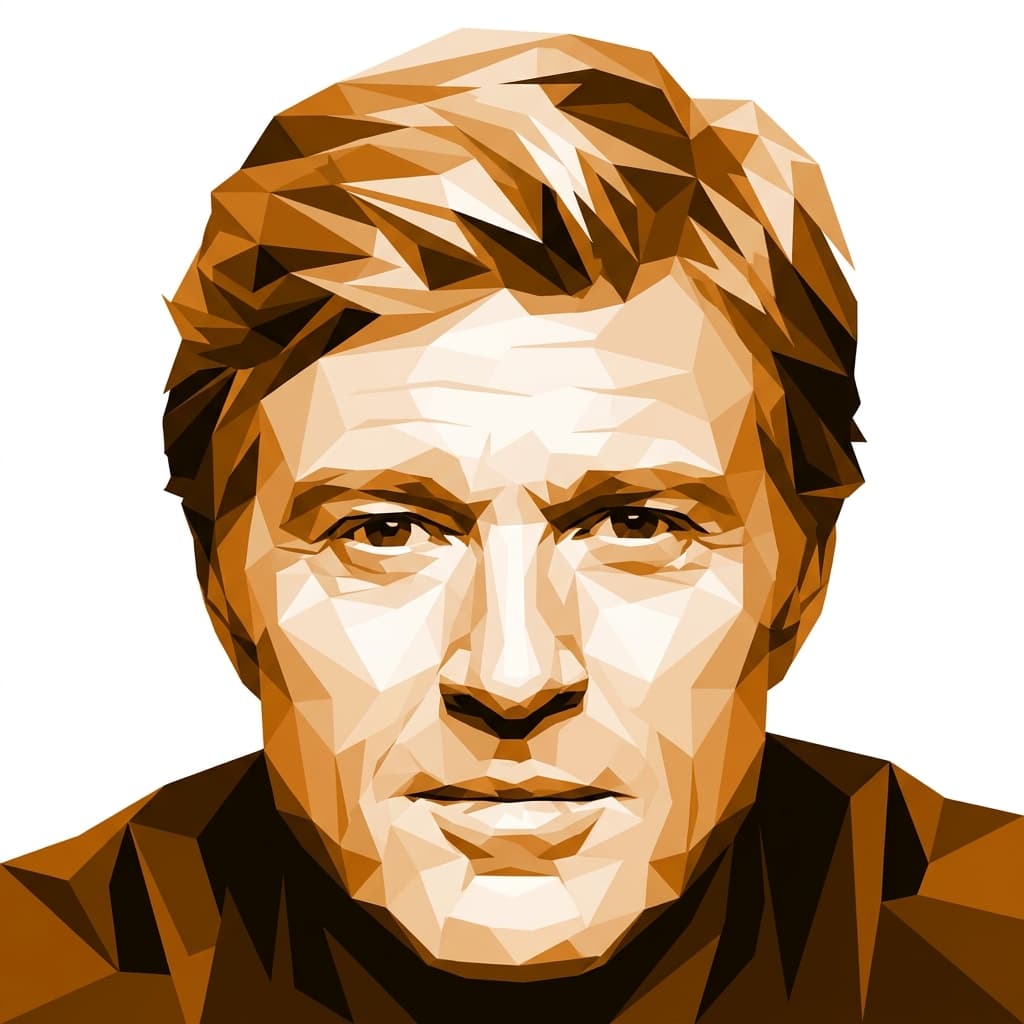
What do you and Robert Redford have in common?
Enter your birth details to find out