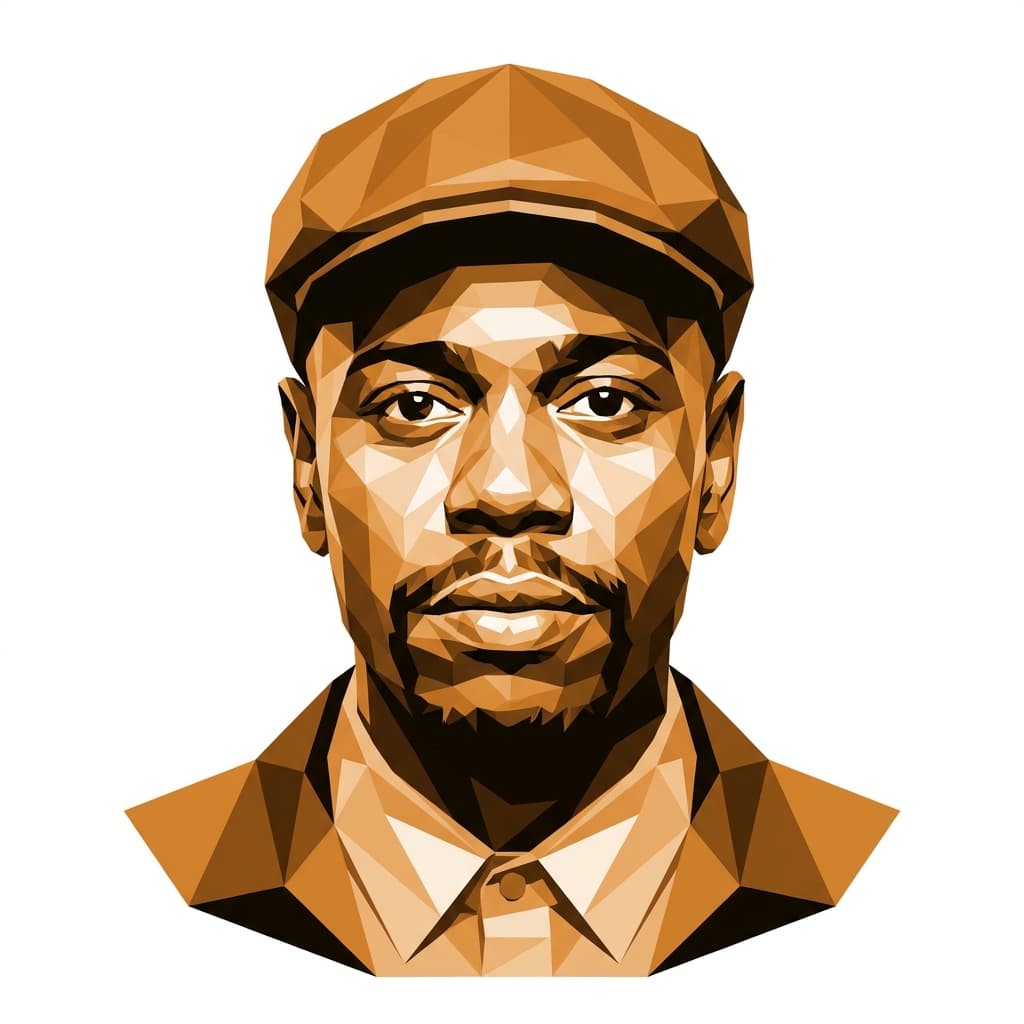
American jazz trumpeter and vocalist who transformed 20th-century popular music with his singular sound.
Design
- Q2.1
- h1.1
- R14.6
- g43.4
- i23.4
- S27.2
- T2.2
- U29.4
- V38.4
- W54.2
- X5.6
- Y12.6
- Z35.6
Personality
- Q33.5
- h19.5
- R21.5
- g1.6
- i2.6
- S62.3
- T40.3
- U48.4
- V58.1
- W38.2
- X5.2
- Y15.3
- Z45.2
Louis Armstrong was a Manifesting Generator — built for multiple crafts at once, and he lived that literally, holding down parallel careers as a virtuoso trumpeter, a groundbreaking vocalist, a bandleader, a film performer, and a prolific letter-writer and memoirist. He came up in New Orleans playing on the streets and in Storyville honky-tonks, was mentored by King Oliver, moved to Chicago when Oliver called for him, then to New York, then back, absorbing every scene and chasing what actually lit him up rather than settling into any single lane the industry wanted for him.
His playing on the Hot Five and Hot Seven sessions in the late 1920s essentially invented the modern jazz solo — the idea that a soloist could carry a piece with pure personal voice rather than serving the ensemble. That leap wasn't theorized; it was an intuitive leap that arrived fully formed, and once it was on record, everyone else had to catch up. His 5/1 profile fits the arc: the deep investigator who, once the foundation was built in New Orleans, stepped out and became the practical model every subsequent horn player learned from.
Armstrong made decisions from his body. He knew instantly whether a tune, a tempo, a sideman, a room was right, and he committed the moment his gut said yes with no need to justify it. He kept a punishing tour schedule for decades because the work genuinely energized him — responding to gigs, tunes and audiences as they arrived rather than plotting a career. The famous gravel voice was a late accident he ran with, turning damaged cords into one of the most recognizable instruments of the century, and his scatting on "Heebie Jeebies" reportedly began when sheet music fell off the stand mid-take.
The trumpet had an economy that made every note land — he could say more with a held high C than most players said in a chorus. His phrasing carried an uncanny sense of when to enter and when to hold back, swinging behind the beat in ways that reshaped how singers from Bing Crosby to Billie Holiday approached a lyric. He also brought a bright, infectious vitality to every stage he stepped on, grinning through the handkerchief, and that warmth is inseparable from why the music traveled so far.
He was politically quieter than some contemporaries wanted him to be, but when Eisenhower hesitated on Little Rock in 1957, Armstrong publicly called the president "two-faced" and canceled a State Department tour of the Soviet Union — a fight he picked because it actually mattered to him. He toured relentlessly as a goodwill ambassador afterward, in part because he understood the responsibility his platform carried for the wider Black community. Offstage he cared for a wide circle — musicians, neighborhood kids in Corona, Queens, fans who wrote him letters — nourishing the people around him without losing himself, and returning always to the modest house he shared with Lucille until his death in 1971. He kept typing memoirs late into the night, distilling a lifetime of witnessed experience into stories that still teach anyone who reads them what it looked like to build American music from the inside.
Sources: biography · birth data
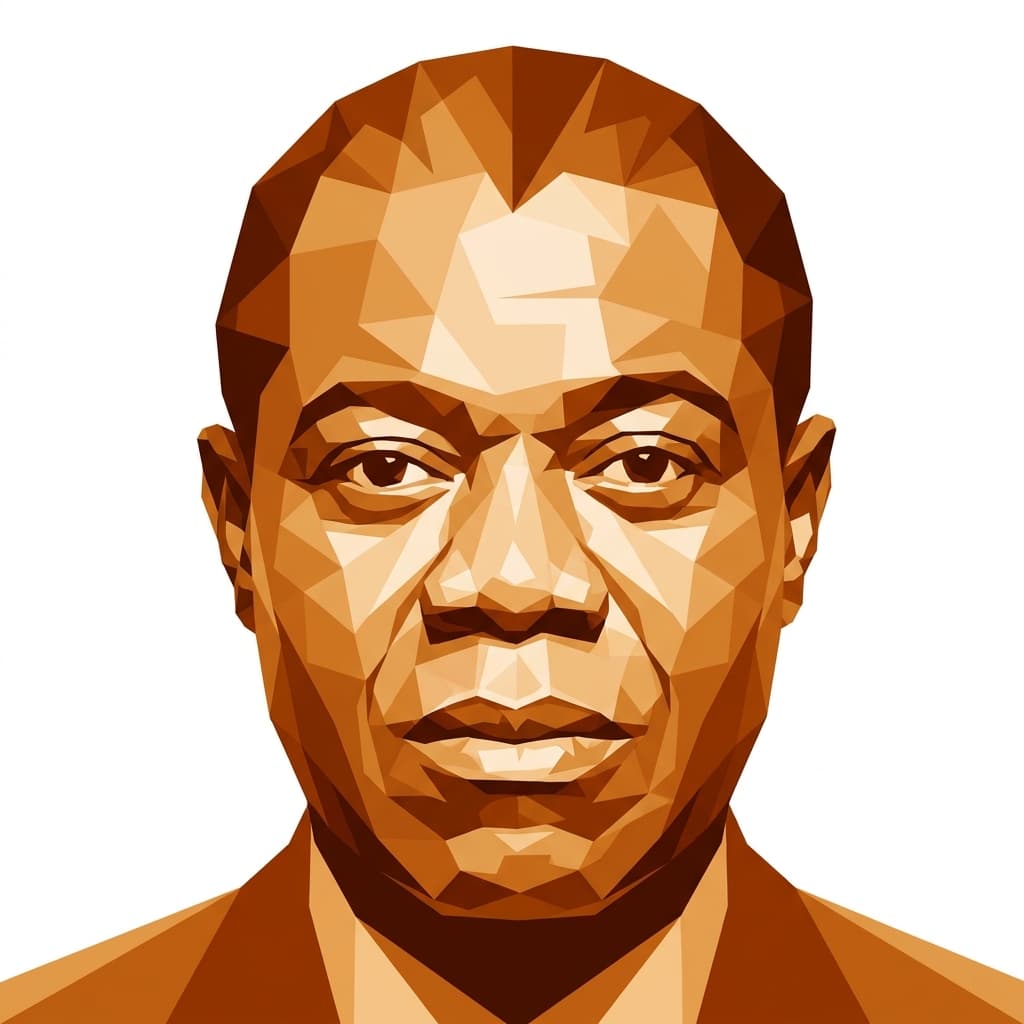
What do you and Louis Armstrong have in common?
Enter your birth details to find out