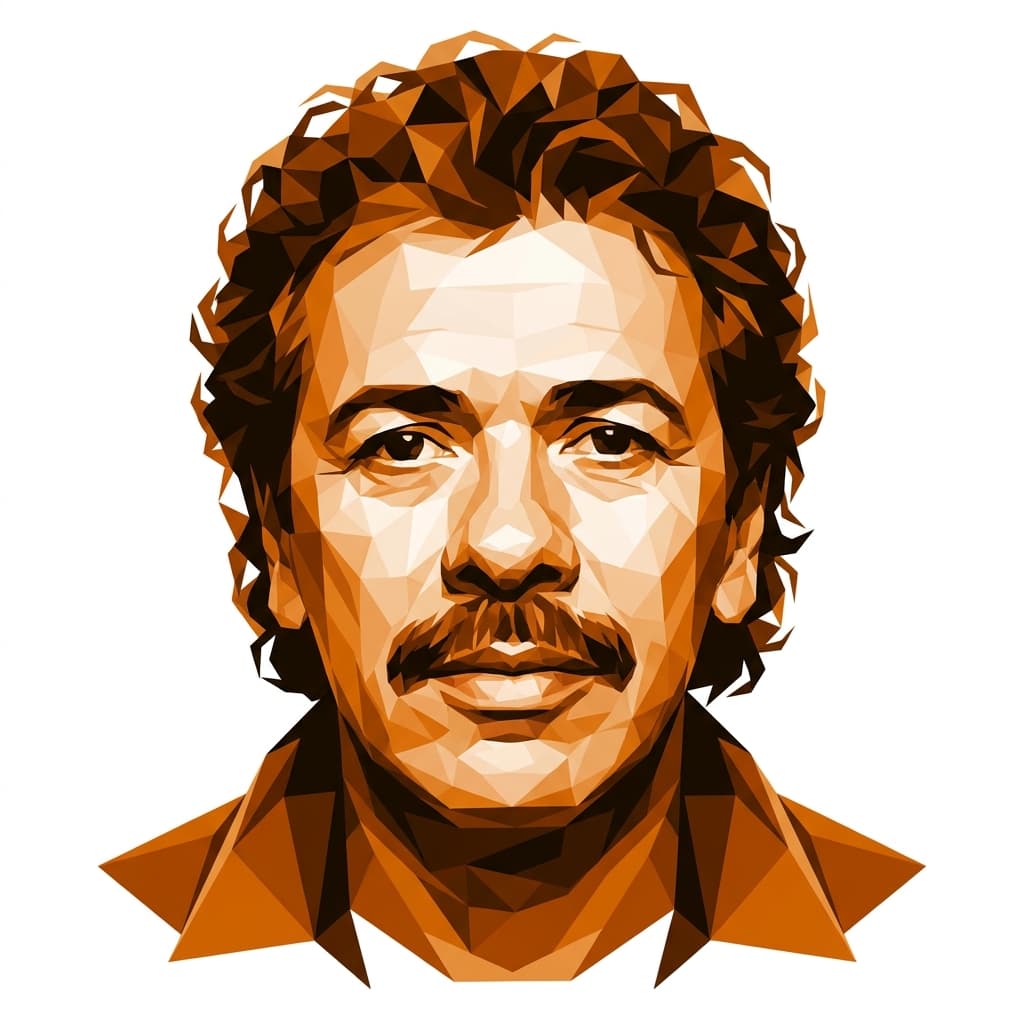
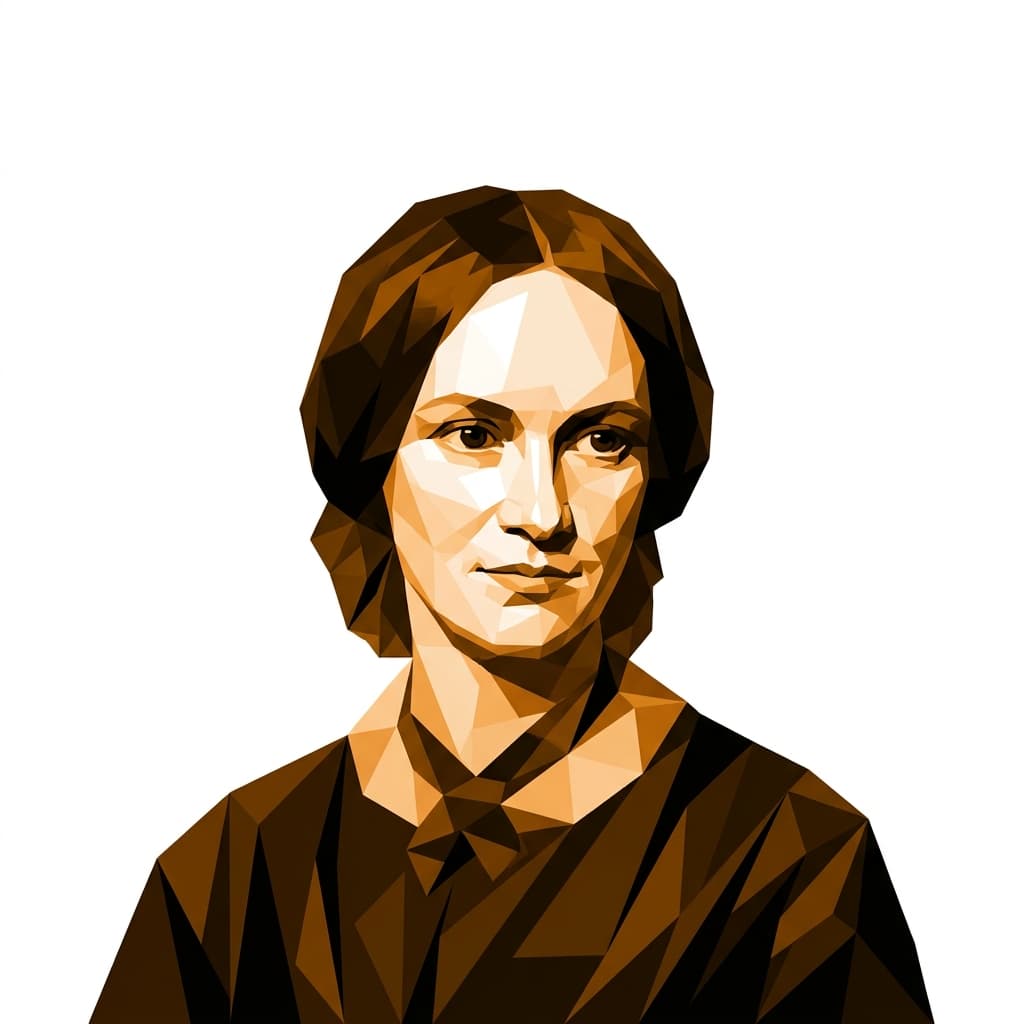
Philadelphia-born neo-soul singer, poet, and actress whose voice and verse refuse to stay in one lane.
Design
- Q54.3
- h53.3
- R48.4
- g41.4
- i31.4
- S11.3
- T49.1
- U17.5
- V11.2
- W8.6
- X57.4
- Y34.5
- Z46.5
Personality
- Q21.6
- h48.6
- R26.3
- g60.6
- i56.6
- S17.4
- T20.1
- U20.6
- V58.5
- W20.4
- X57.2
- Y34.6
- Z46.3
Jill Scott is a Manifesting Generator — wired to chase singing, poetry, acting, and activism all at once without picking just one — and the shape of her career is exactly that refusal to specialize. She came up reading poems at the Zanzibar Blue and on Philadelphia open-mic stages in the mid-90s, got pulled into The Roots' orbit (her co-write on "You Got Me" famously went to Erykah Badu for the studio version), and by 2000 had released Who Is Jill Scott? Words and Sounds Vol. 1, an album that didn't sound like anything else on the radio that year.
Her path has always been a 6/3 profile one — the wise role model built through public trial and error. She married, divorced, married again, divorced again, had a son, took acting detours into Why Did I Get Married? and The No. 1 Ladies' Detective Agency, took years off between records, then came back. None of it was tidy. She's spoken candidly in interviews about the messy middle years, and that willingness to name what she's actually lived through is a lot of why audiences feel like they know her — the stories on Beautifully Human and The Light of the Sun are not performances of pain so much as reports from inside it.
The voice itself moves with the kind of full-body certainty that doesn't need a reason. She scats, she preaches, she whispers, she belts mid-phrase — choices that feel reactive rather than planned, the response of someone who waits for the song to tell her where to go next rather than mapping it in advance. Live, this is most obvious: a Jill Scott show is built on detours, vamps, and asides that go on as long as the room is feeding her back.
She's a poet first, and the lyric writing carries an endless mental wellspring of images and what-ifs braided with a gift for making the abstract land through a single specific scene — the wet hair in "He Loves Me," the long-distance bus in "A Long Walk." There's a tastemaker streak underneath all of it, an ear for what deserves attention before the mainstream catches up, which is how she ended up adjacent to neo-soul's founding moment without ever quite belonging to any single scene's house style. Her ambition is plain but never crass — a drive to be excellent that wants the community to come up too.
Politically she's been outspoken, and the principled streak that won't soften itself for comfort shows up everywhere from her commentary on interracial dating to her vocal support for HBCUs and Black women's healthcare. There's also a restless dreamer's pull toward the next experience and a hunger for genuine new beginnings that explains the constant pivots between music, film, Broadway, and television — she has rarely been content to release the same album twice. What holds it all together is presence: she shows up in the immediate, unfiltered now, says what's true, and trusts the room to catch up.
Sources: biography · birth data
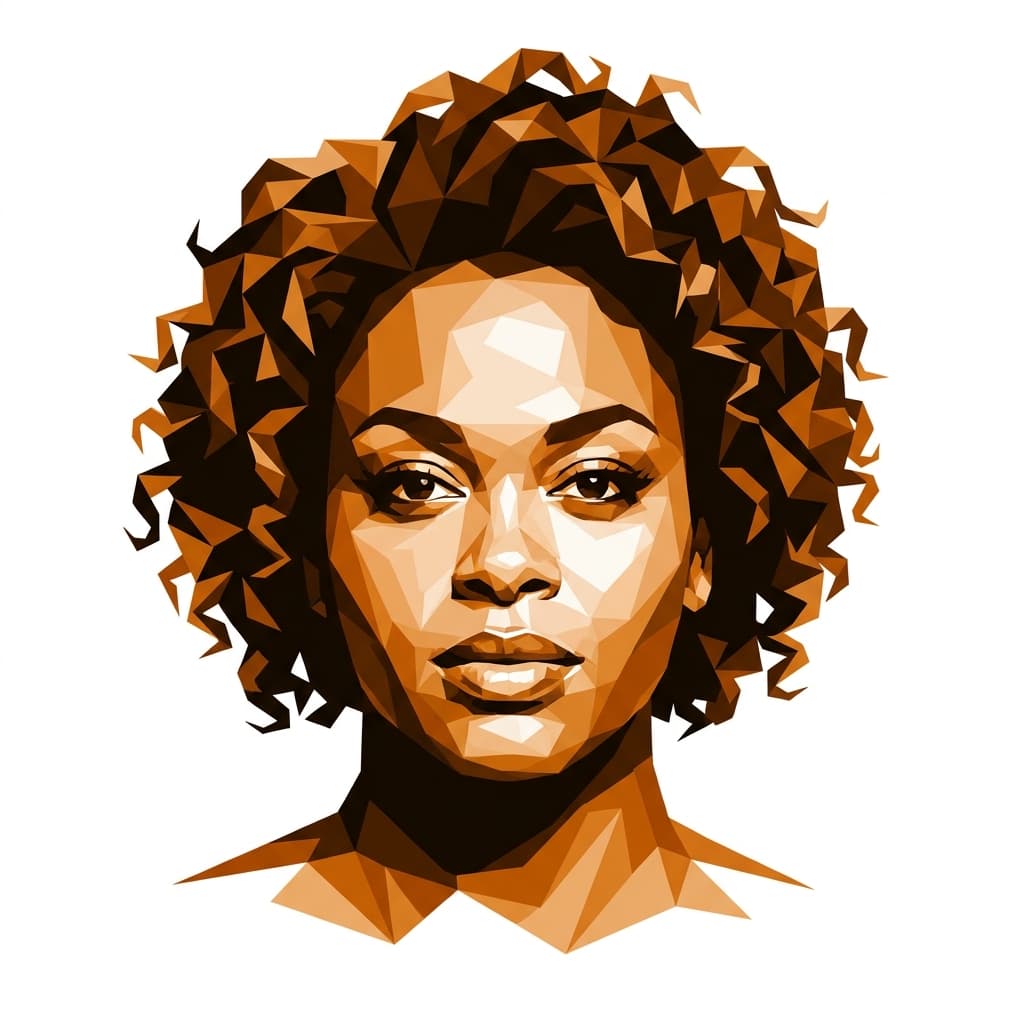
What do you and Jill Scott have in common?
Enter your birth details to find out