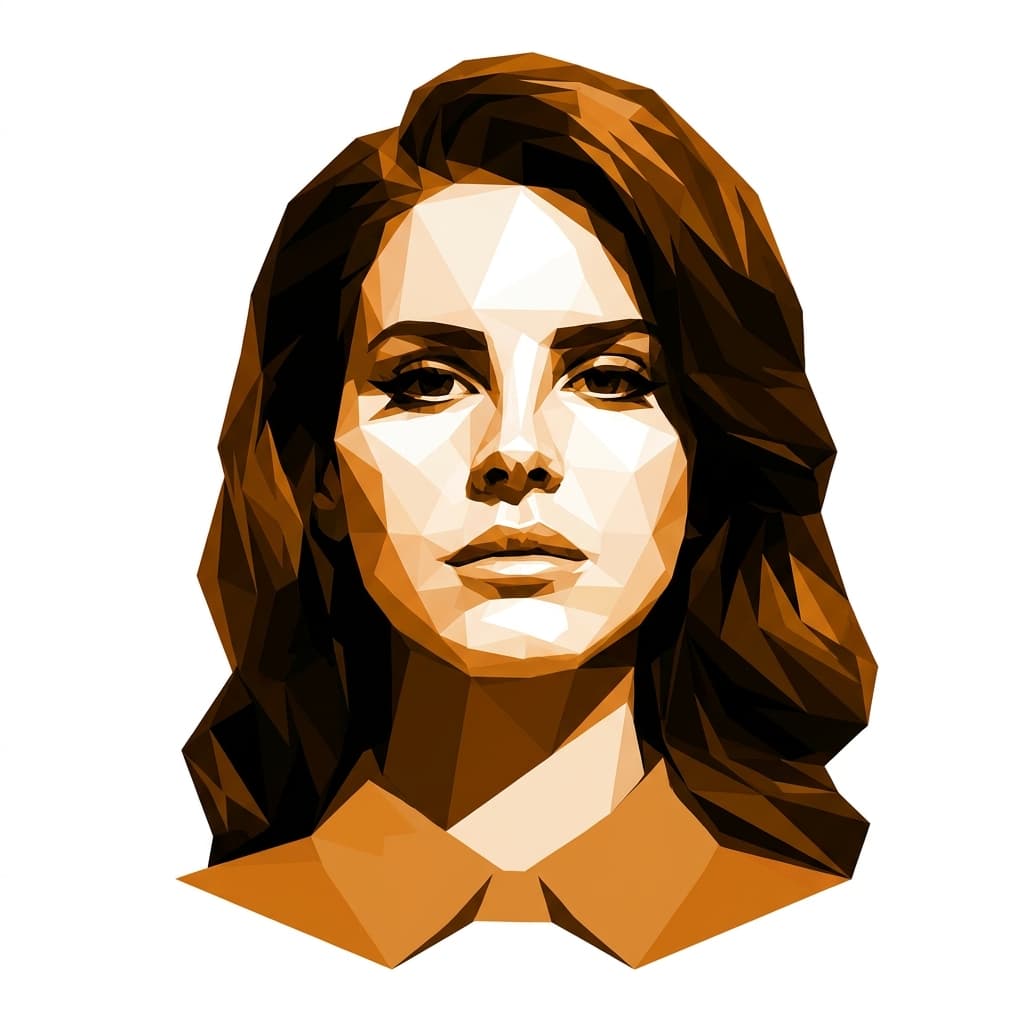
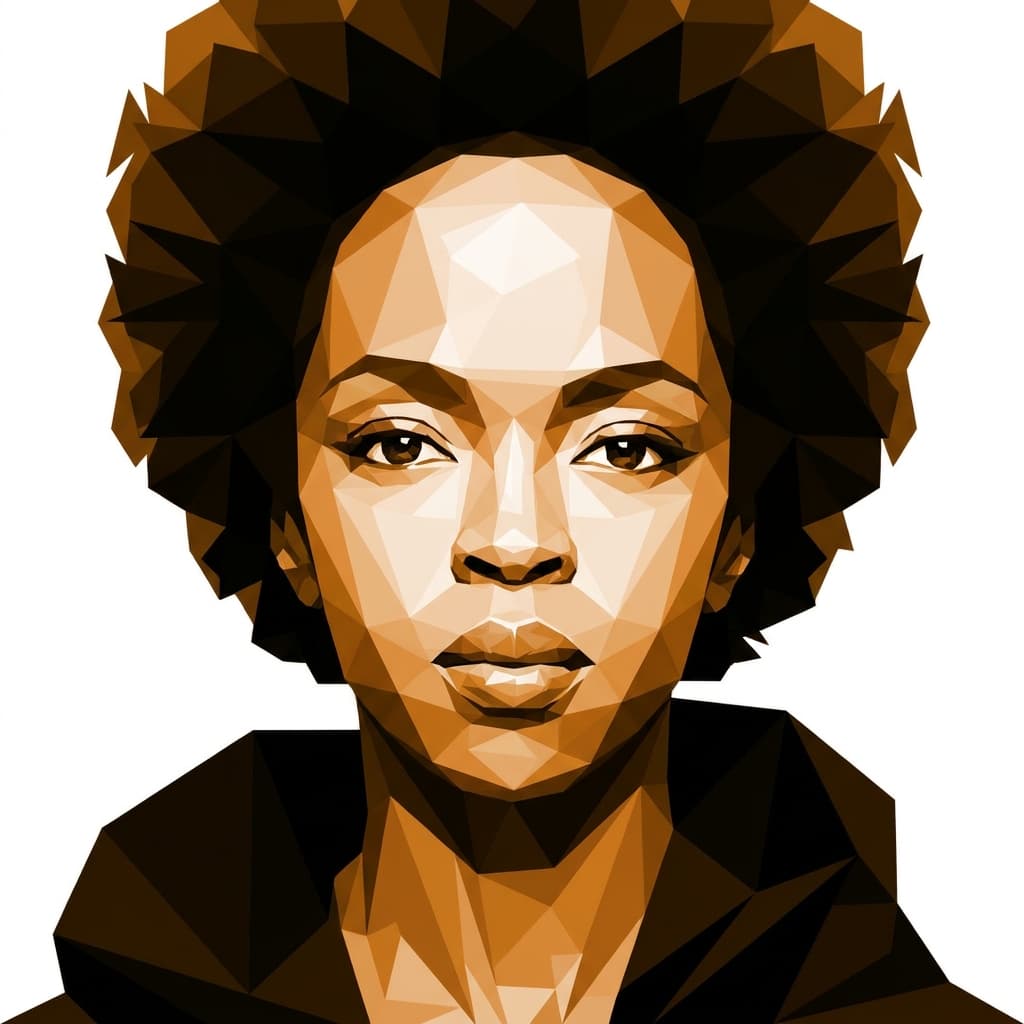
American figure skater, two-time Olympian, and outspoken television commentator known for flamboyant artistry.
Design
- Q21.4
- h48.4
- R42.6
- g16.3
- i9.3
- S27.1
- T36.2
- U14.5
- V38.3
- W1.3
- X5.3
- Y10.4
- Z50.6
Personality
- Q39.2
- h38.2
- R59.1
- g16.1
- i9.1
- S62.2
- T53.1
- U44.6
- V58.5
- W44.3
- X9.5
- Y10.2
- Z50.4
Johnny Weir is a Manifesting Generator — wired to sprint through several careers at once, and unwilling to pick just one. By the time he was thirty, he'd been a three-time U.S. national figure skating champion, a two-time Olympian, a reality-television subject, a pop singer in Russia, a fashion designer, and one half of the most-watched skating commentary booth in America. The through-line isn't discipline in the traditional sense; it's a gut that keeps saying yes to the next lit-up thing.
He came to skating late by elite standards — twelve years old, taught by a mail-order video, practicing on a cornfield pond in rural Pennsylvania. Within four years he was national junior champion. That kind of trajectory takes the enthusiasm to drill a skill until it becomes you, and Weir has always talked about skating as identity rather than sport. He also came up largely coaching himself through his teens, the kind of solitary craft-building that develops talent invisibly until a community suddenly notices what you've been quietly becoming.
His skating was polarizing on purpose. Judges wanted athleticism scored in quads; Weir gave them Camille Saint-Saëns's "The Swan" in a costume with a single red glove meant to look like a wound. He named programs, named costumes, named his skates. This is the pure creative energy that has to have an outlet or it turns to static, paired with a refusal to sand down what makes him unmistakably him. When the 2010 Vancouver Olympics ended with two Canadian commentators mocking his masculinity on air, he held a press conference the next day and calmly turned the moment into a conversation about young queer kids watching at home — provocation aimed at pulling the truth into the open.
The pivot to broadcasting came the way Manifesting Generator pivots tend to: fast, gut-first, without a five-year plan to justify it. NBC paired him with Tara Lipinski for the 2014 Sochi Games almost as an experiment, and the two became appointment television — Weir in couture, Lipinski in cocktail dresses, both of them technically ruthless about edges and rotations. Ten years later they're still the booth. He didn't hunt the job; it showed up and his body said yes immediately, and he ran with it.
Off the ice he keeps rituals that other people would call excessive — the hair, the skincare, the same Diet Coke, the same pre-broadcast routine. He's talked openly about a difficult marriage and divorce, about weathering emotional stretches he had to fully surrender to before they made sense, and about the fierce protectiveness he brings to the young skaters he mentors and to LGBTQ athletes generally. When he fights, it's rarely petty; it's energy pointed at something he's decided is actually worth the fight.
What's striking about Weir at forty is how little he's flattened himself for anyone. The commentary booth could have been a place to become respectable, and instead he shows up in a Bob Mackie jacket describing a triple axel with the precision of someone who genuinely wants you to see every detail. He is, in the older sense of the word, a stylist — of ice, of speech, of self.
Sources: biography · birth data

What do you and Johnny Weir have in common?
Enter your birth details to find out