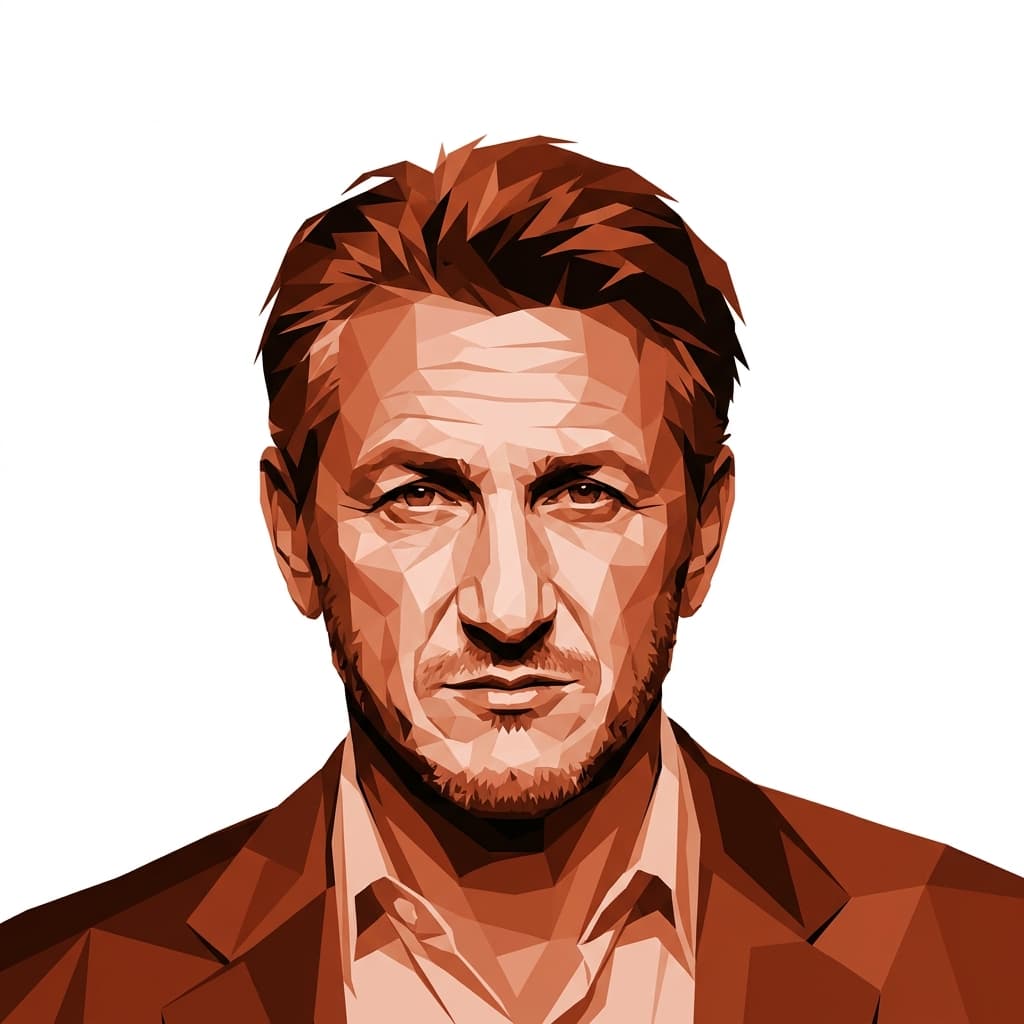
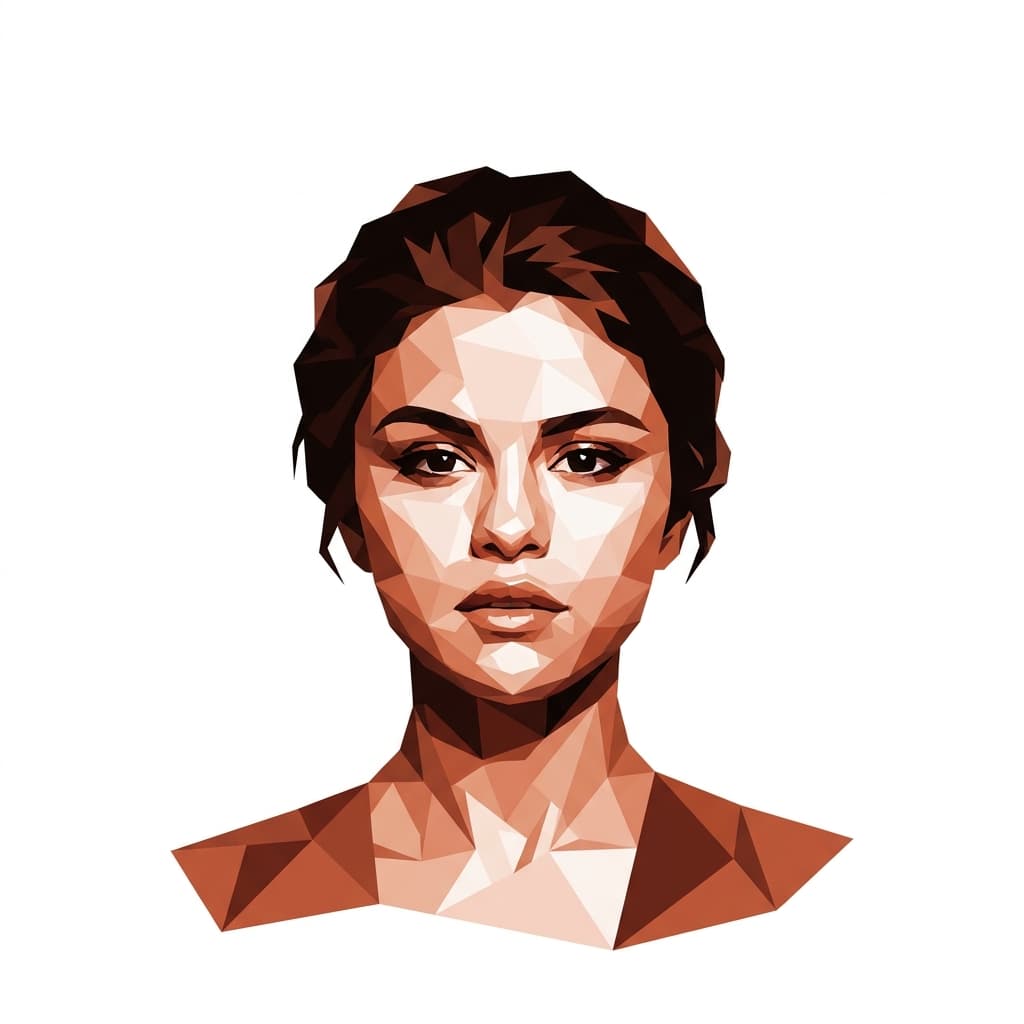
American stand-up comedian and actor known for relentless work ethic and arena-filling autobiographical comedy.
Design
- Q51.1
- h57.1
- R31.6
- g47.1
- i22.1
- S36.4
- T37.5
- U25.2
- V56.4
- W40.3
- X43.2
- Y26.4
- Z57.3
Personality
- Q39.5
- h38.5
- R34.1
- g40.5
- i37.5
- S33.3
- T15.3
- U16.2
- V33.5
- W40.5
- X1.5
- Y26.2
- Z57.2
Kevin Hart is a Generator — built for the long grind, the kind of person who can do five sets a night for years and still want one more. That's not metaphor. Before he was selling out stadiums, he was bombing in Philly comedy clubs under the name "Lil' Kev the Bastard," getting chicken wings thrown at him in New York, and going back the next night anyway. The stamina is the story.
His career arc tracks the classic 5/1 profile shape: years of investigation before the world saw him as the answer to anything. He spent the early 2000s in supporting roles and forgettable studio pictures, quietly studying what worked and what didn't, building the foundation before stepping out as the solution. When he finally broke through with Laugh at My Pain in 2011 — self-financed, self-distributed, a tour film nobody asked him to make — he had already done the homework on every comic who came before him. He talks openly about studying Eddie Murphy's Raw like scripture.
The comedy itself runs on emotional surrender as material — divorce, infidelity, his father's addiction, the 2019 car crash that broke his back. He tells the worst stuff on himself first, loudly, and somewhere in that volume there's the pull-the-truth-out energy that makes audiences laugh at things they wouldn't admit to a therapist. His best specials aren't really jokes; they're stories told to make the pain useful, worked and reworked across hundreds of club dates until every beat lands.
The business instincts are their own thing. He was one of the first comedians to treat himself as a brand — HartBeat Productions, the Plastic Cup Boyz, the Tommy John deals, the Chase Sapphire spots — operating with the kind of sales sense that turns a tour into an empire. He genuinely believes in what he's pitching, which is mostly Kevin Hart, and the conviction reads. The drive to be first, biggest, loudest shows up in everything from his 5 a.m. workouts to his stated goal of being the highest-paid comedian on the planet, a goal he has, at various points, achieved.
That same intensity has cost him. His Emotional Authority means the right call rarely comes in the heat of the moment, and some of his most public missteps — the 2019 Oscars hosting collapse over old homophobic tweets, the cheating scandal he got ahead of with a tearful Instagram video — came from reacting fast when waiting would have served him better. He's spoken about learning, slowly, to let the wave pass before deciding instead of trying to manage every crisis live.
What anchors all of it is community. He surrounds himself with the same crew he came up with, casts his friends in his movies, and treats his production company like a family business. There's a real give-and-receive loyalty in how he operates — clear about what he expects, generous when it's earned, and unsentimental when it isn't. The big lesson of the back injury, he's said in interviews, was staying open-hearted through something that should've broken him. He came back working harder.
Sources: biography · birth data
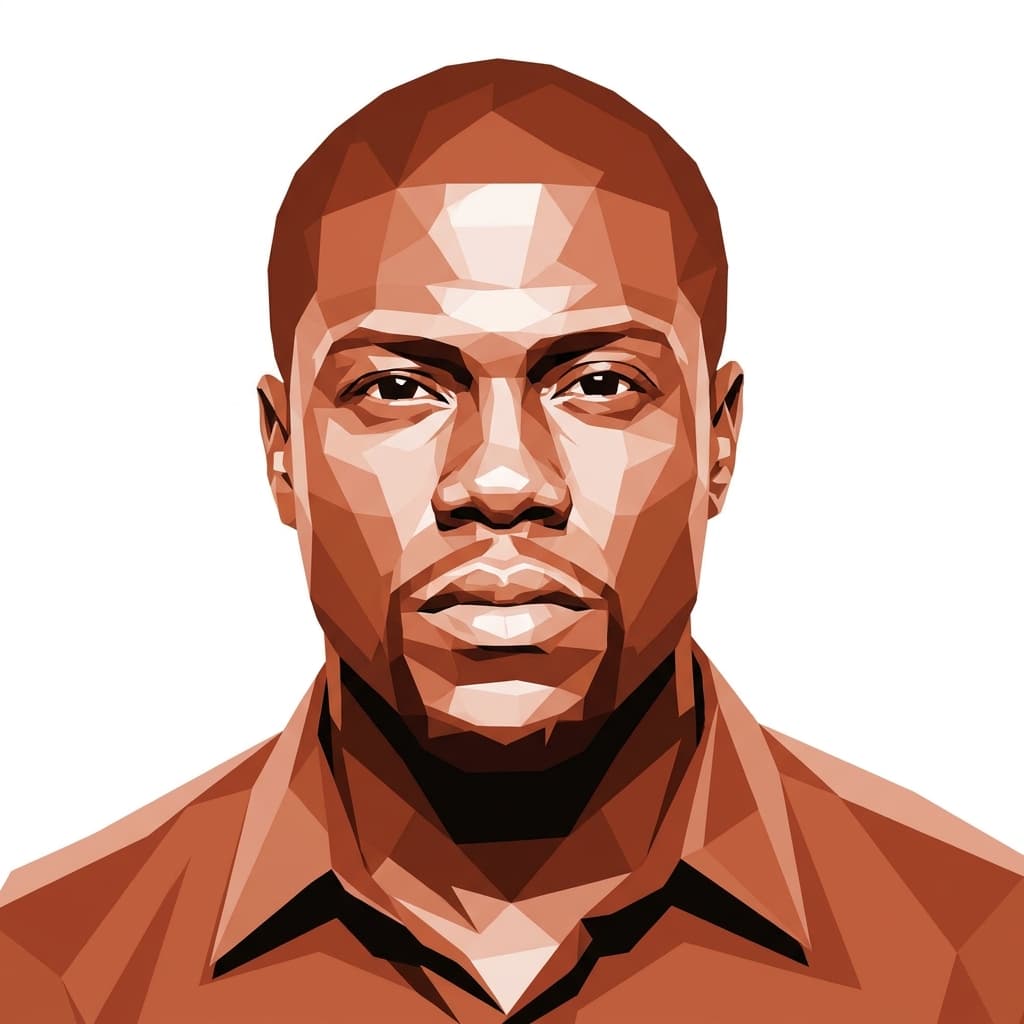
What do you and Kevin Hart have in common?
Enter your birth details to find out