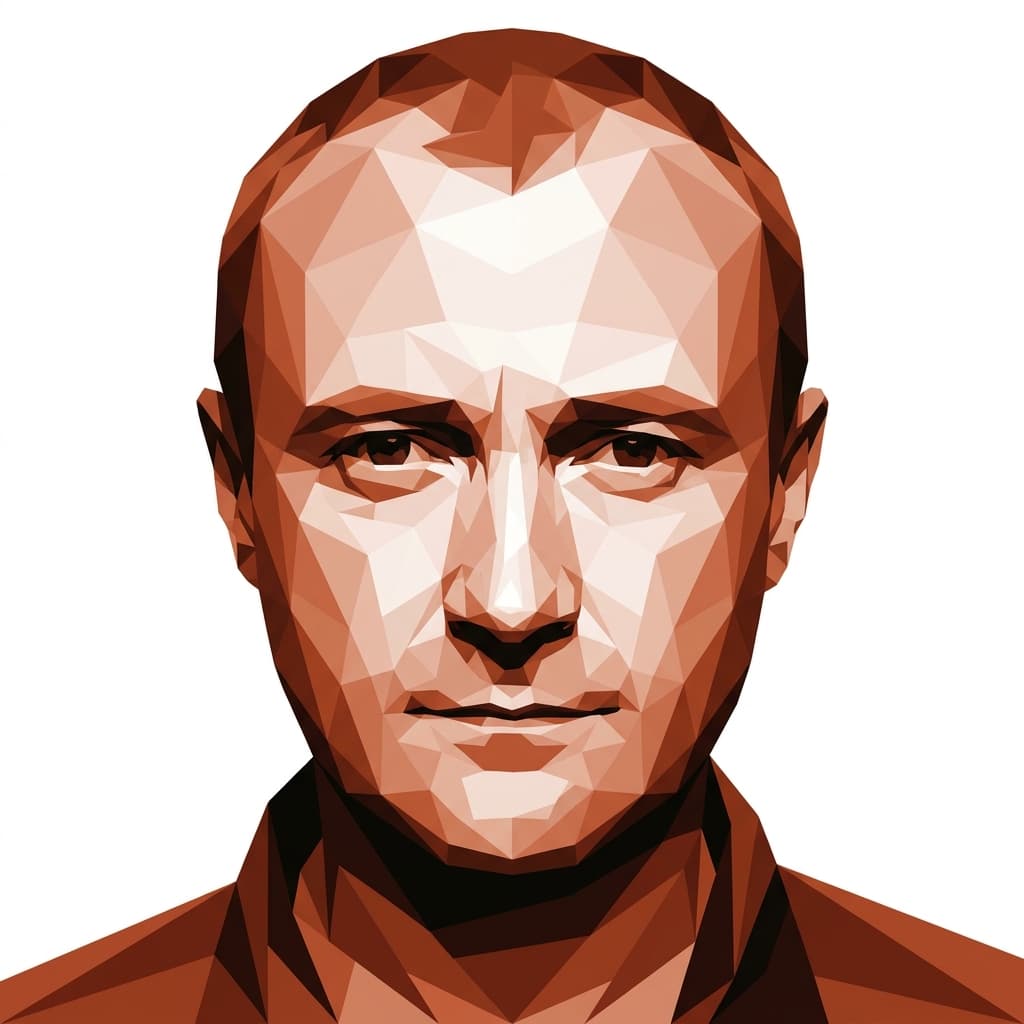
Guitarist, songwriter, and longtime creative foil in Bon Jovi, co-writer of the band's biggest anthems.
Design
- Q51.6
- h57.6
- R23.4
- g48.4
- i21.4
- S25.3
- T8.2
- U15.3
- V34.2
- W58.4
- X33.5
- Y28.5
- Z59.2
Personality
- Q53.4
- h54.4
- R6.1
- g18.4
- i17.4
- S7.2
- T59.3
- U4.6
- V43.4
- W10.5
- X7.2
- Y28.3
- Z59.3
Richie Sambora is a Generator — built for the long, satisfying grind of mastering an instrument and showing up night after night, which is exactly the career he's had. Born in Perth Amboy, New Jersey in 1959, he came up through Jersey bar bands with a Les Paul and a talk box, and when Jon Bon Jovi called him in 1983 to audition for a new group, Sambora famously said he thought he'd be a better fit than the guy currently in the role. He got the gig, and spent the next three decades as the band's lead guitarist, harmony vocalist, and co-writer on nearly every song that defined them.
His partnership with Jon Bon Jovi was the engine of the band's catalog. "Livin' on a Prayer," "Wanted Dead or Alive," "You Give Love a Bad Name," "Bed of Roses" — Sambora's fingerprints are on all of them, usually as the guy who brought in the riff, the chord voicing, or the hook that turned a verse into a stadium moment. The talk box intro to "Livin' on a Prayer" was his idea. He approached writing with the kind of patient craft that waits for the right riff to land, rarely forcing a song and often letting ideas sit for months before they clicked. That's the deep well of a musician who's spent decades inside the instrument, the kind of player who can hear what a song is missing before anyone else in the room does.
As a 4/6 profile — the role model who leads through close community — Sambora built his life around a small circle of trusted collaborators and family, and when those bonds frayed, so did he. His hunger for intensity and extremes showed up early in the touring lifestyle, and his later years brought public struggles with alcohol and a stint in rehab in 2007. He's spoken openly about the losses that stacked up in that period: his father's death, his divorce from Heather Locklear, the collapse of long-held routines. The messy middle stretch became, in time, the exact material a 4/6 is supposed to metabolize into wisdom.
In 2013, mid-tour with Bon Jovi, Sambora walked away from the band. He's never given a single clean reason, but the pattern is familiar to anyone with emotional authority who finally hit the point where the yes stopped feeling like a yes. He'd ridden the wave long enough to know. He talked about wanting to be present for his daughter Ava, about creative restlessness, about the grind no longer feeding him — all true, all partial. Underneath was the quiet conviction that something had to change, even without a clean explanation.
Since leaving, he's released solo work, toured and recorded with the Australian guitarist Orianthi as RSO, and leaned into the role of the taste-maker who champions new voices rather than the arena headliner. He speaks candidly in interviews about recovery, co-parenting, and the long project of figuring out who you are when the thing you built your identity around is behind you. For a guitarist who spent thirty years inside one of the biggest rock bands on earth, the second act has been quieter, more relationship-driven and more selective about where the energy goes — which, for a Generator who finally learned the cost of saying yes to everything, reads less like retreat than like finally getting the strategy right.
Sources: biography · birth data

What do you and Richie Sambora have in common?
Enter your birth details to find out