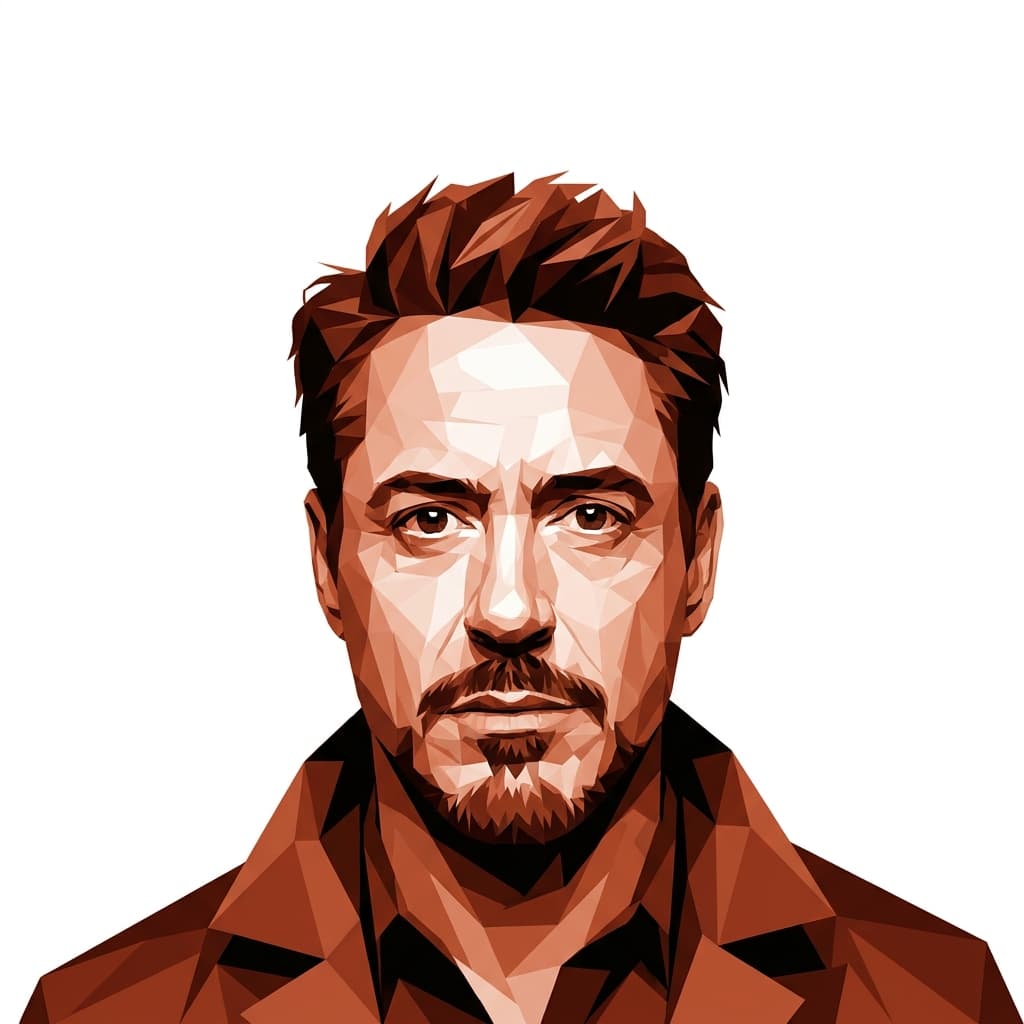
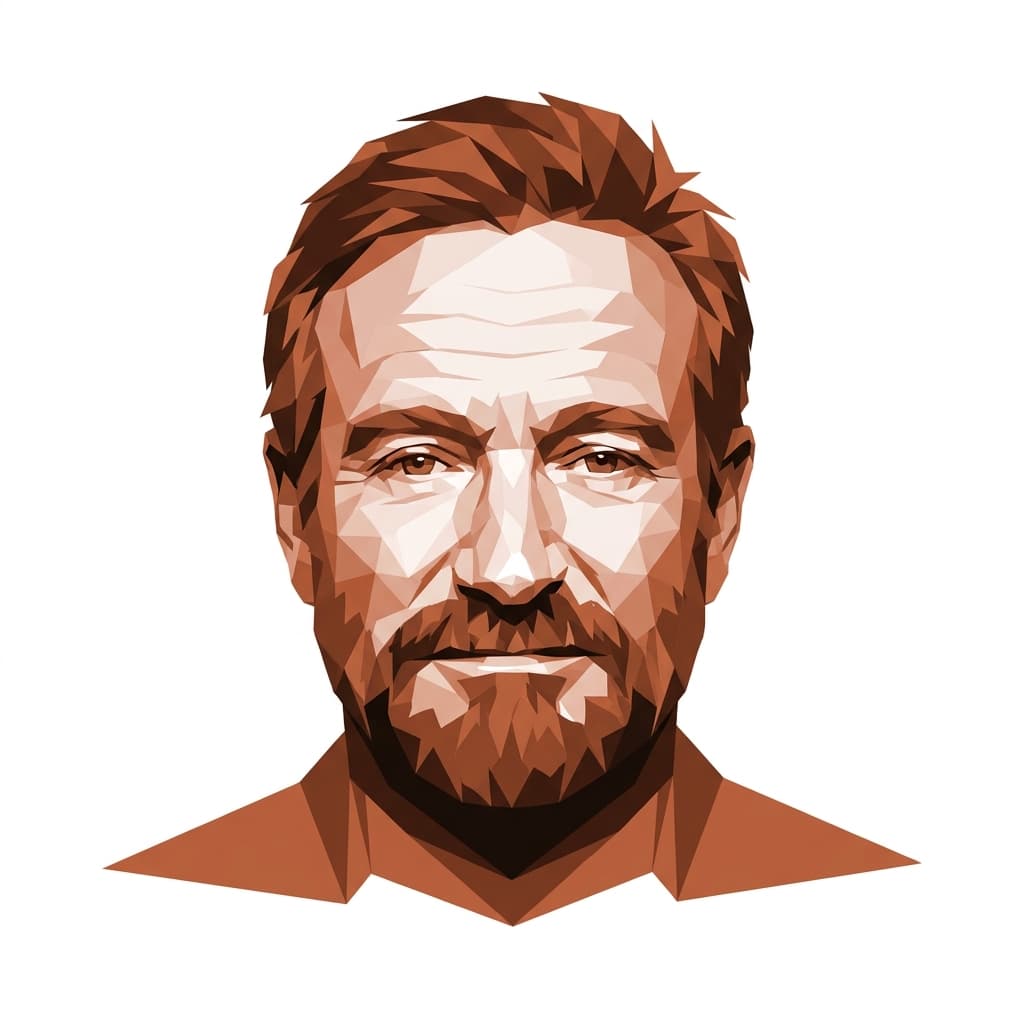
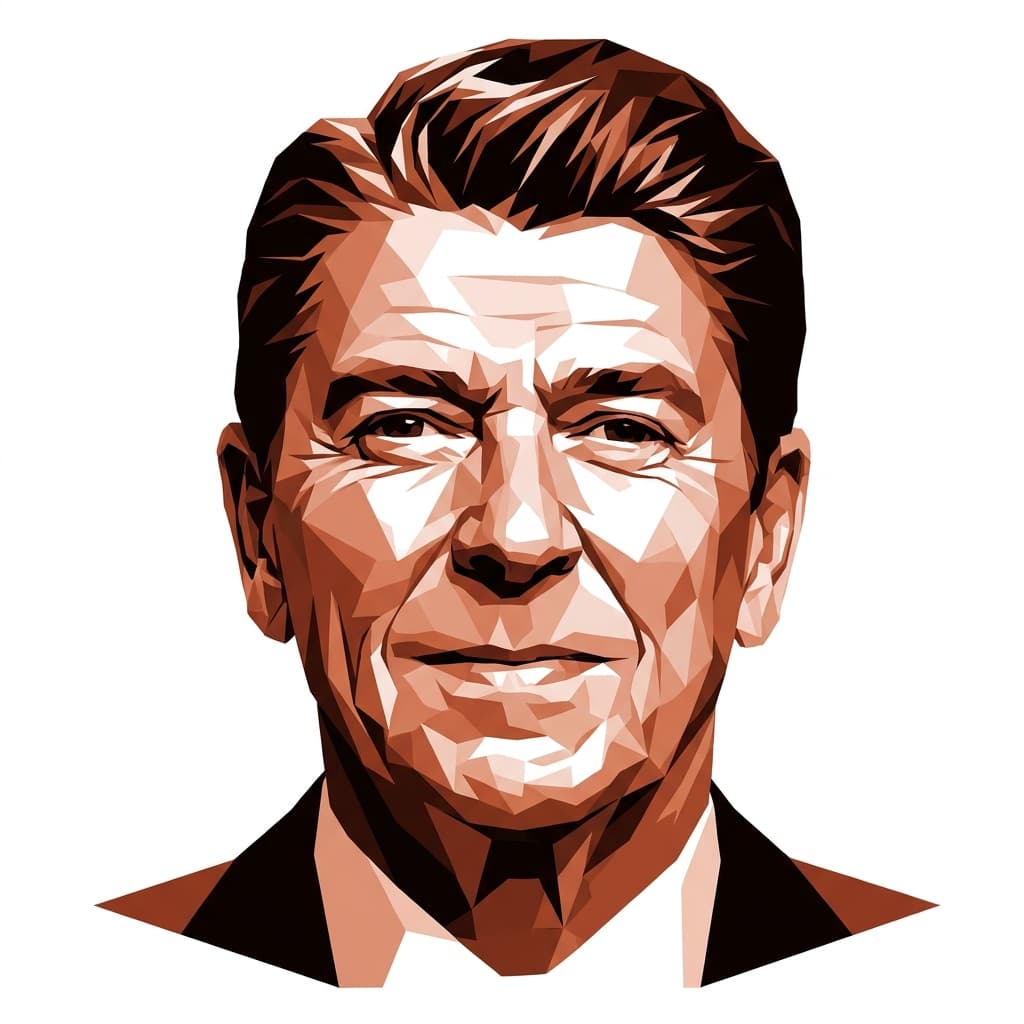
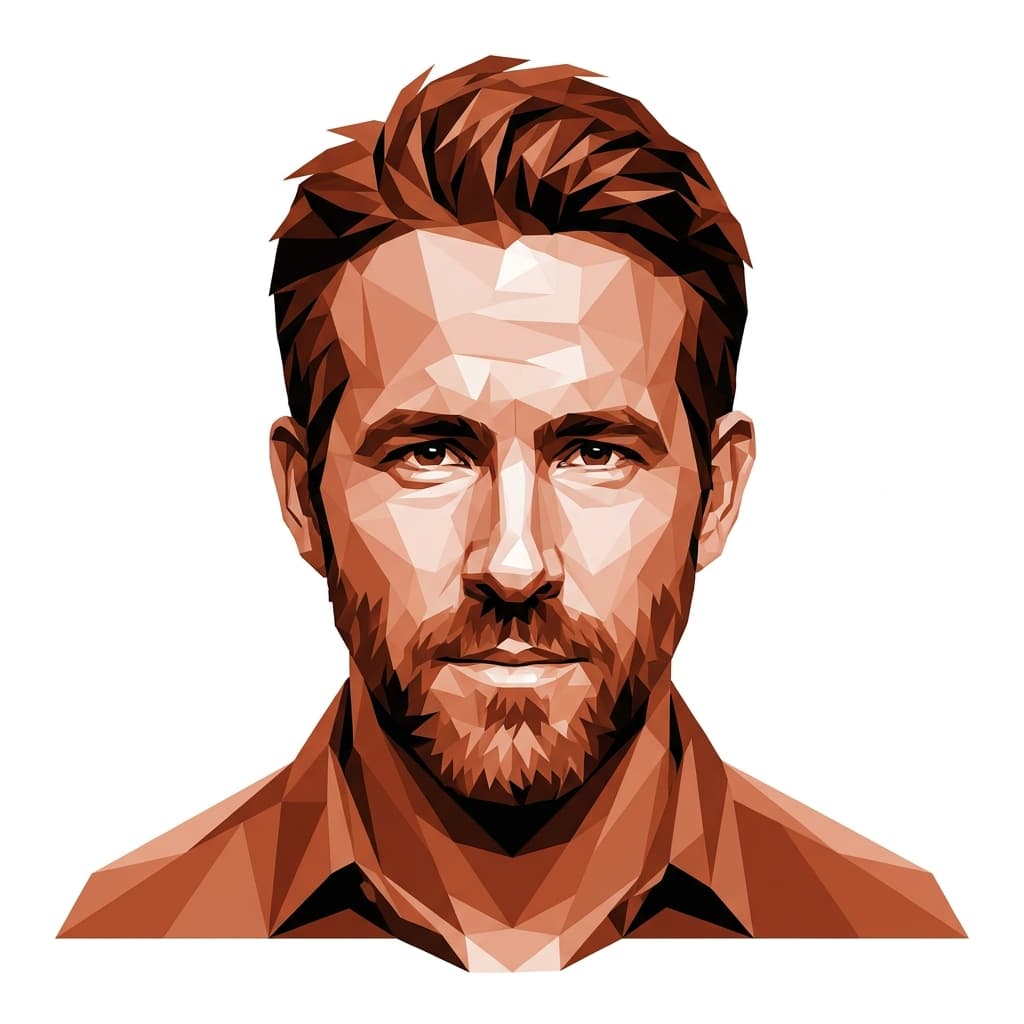
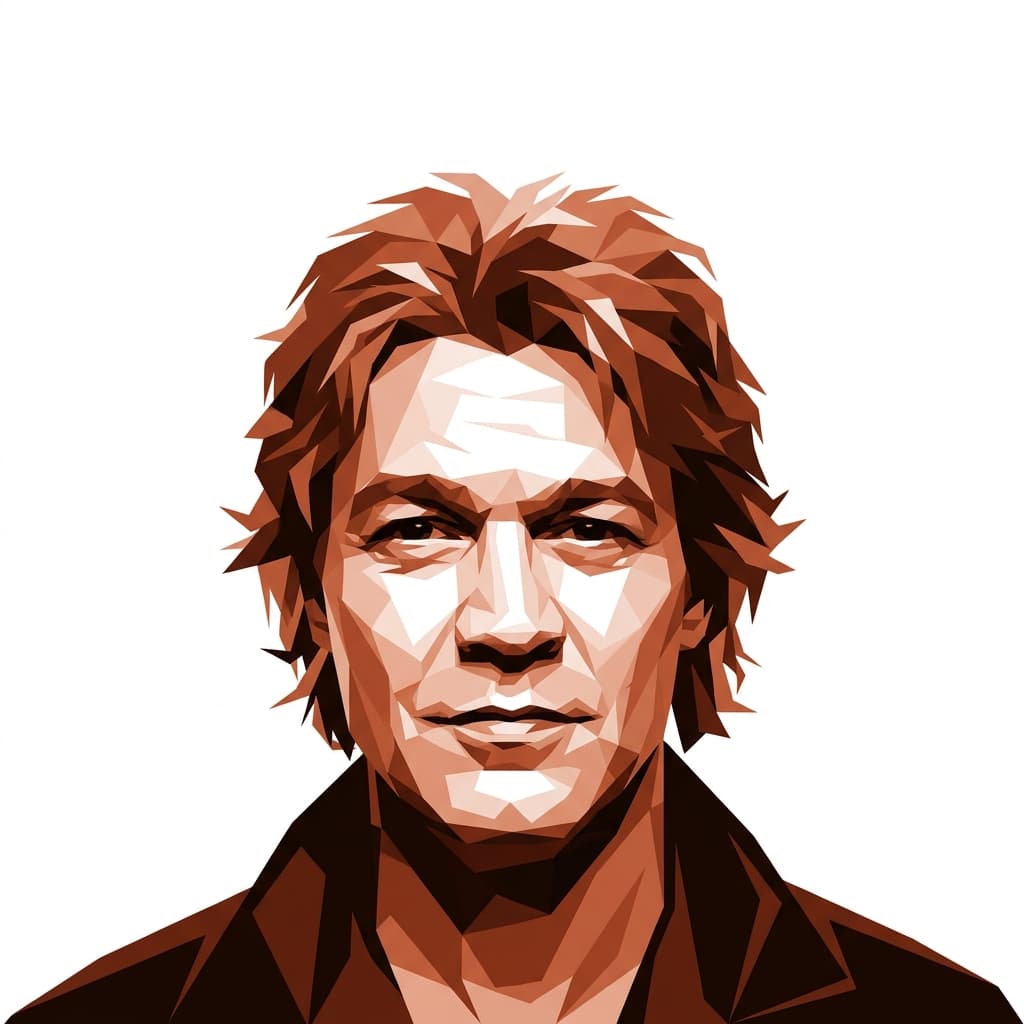
Dutch-American guitar virtuoso who redefined rock guitar as the founder of Van Halen.
Design
- Q28.6
- h27.6
- R11.4
- g58.4
- i52.4
- S28.3
- T14.6
- U41.5
- V56.4
- W44.5
- X56.2
- Y32.6
- Z29.3
Personality
- Q41.4
- h31.4
- R30.5
- g58.2
- i52.2
- S49.5
- T26.2
- U17.5
- V62.3
- W43.2
- X62.5
- Y50.2
- Z29.2
Eddie Van Halen was a Generator — built for the kind of stamina that lets a person sit in a bedroom for ten thousand hours with a guitar across his lap and emerge having reinvented what the instrument can do. Born in Amsterdam to a Dutch jazz-clarinetist father and an Indonesian mother, he arrived in Pasadena at age seven speaking no English, with a piano in the back of a borrowed truck and a family that had $50 to its name. He started on classical piano, won competitions he didn't care about winning, and only picked up the guitar after his older brother Alex stole his drum kit. The switch stuck. He practiced with the kind of focus that turns a bedroom into a laboratory, often sitting on the edge of his bed for hours, never plugging in, just running scales until his mother told him to come eat.
The two-handed tapping technique he unveiled on "Eruption" in 1978 wasn't really invented in the studio — it was a breakthrough that arrived all at once, hard to explain to anyone who asked how. He'd been hiding it at club shows for years, turning his back to the audience so other guitarists couldn't steal it. When it finally landed on the first Van Halen record, every guitar player in America had to recalibrate. He had a nose for what would actually work and what was just flash, and most of what he kept turned out to be the foundation of modern rock guitar — the brown sound, the dive-bombs, the Frankenstrat he built from parts because no factory guitar did what he wanted.
His 4/6 profile showed up in the way he built his world out of a tight circle — his brother on drums, a small group of trusted engineers, the Pasadena friends who never left. He was famously generous with other musicians who came to him in that circle, showing up to play the "Beat It" solo for Michael Jackson without taking a dime, reportedly because Quincy Jones asked nicely and he thought it sounded fun. He turned down offers to join other bands, declined to credit himself on guest spots, and seemed genuinely uninterested in the persuasion games of the music business even though he was very good at them when he engaged.
The band's internal life was harder. As an emotional authority in a group built on volatile chemistry, he made his biggest decisions — firing David Lee Roth, hiring Sammy Hagar, firing Hagar, the long alcohol years — over emotional waves that took years to crest. He spoke later about regretting choices he'd made in the heat of frustration, and about how the right calls only became clear after the noise died down. The restless inner pull toward the next sound, the next guitar, the next rig drove him forward but also wore him down when there was no satisfying outlet.
What lasted was the playing. His tone carried an infectious zest, a love of the instrument that was almost embarrassing in its sincerity — he grinned through solos, leapt in the air, looked surprised by his own hands. He was a storyteller whose stories happened to come out of a Marshall stack, and the endless flow of riffs and ideas didn't stop until cancer did, in October 2020. He had told an interviewer years earlier that he played guitar because nothing else made him feel right. That was the whole map.
Sources: biography · birth data
What do you and Eddie Van Halen have in common?
Enter your birth details to find out