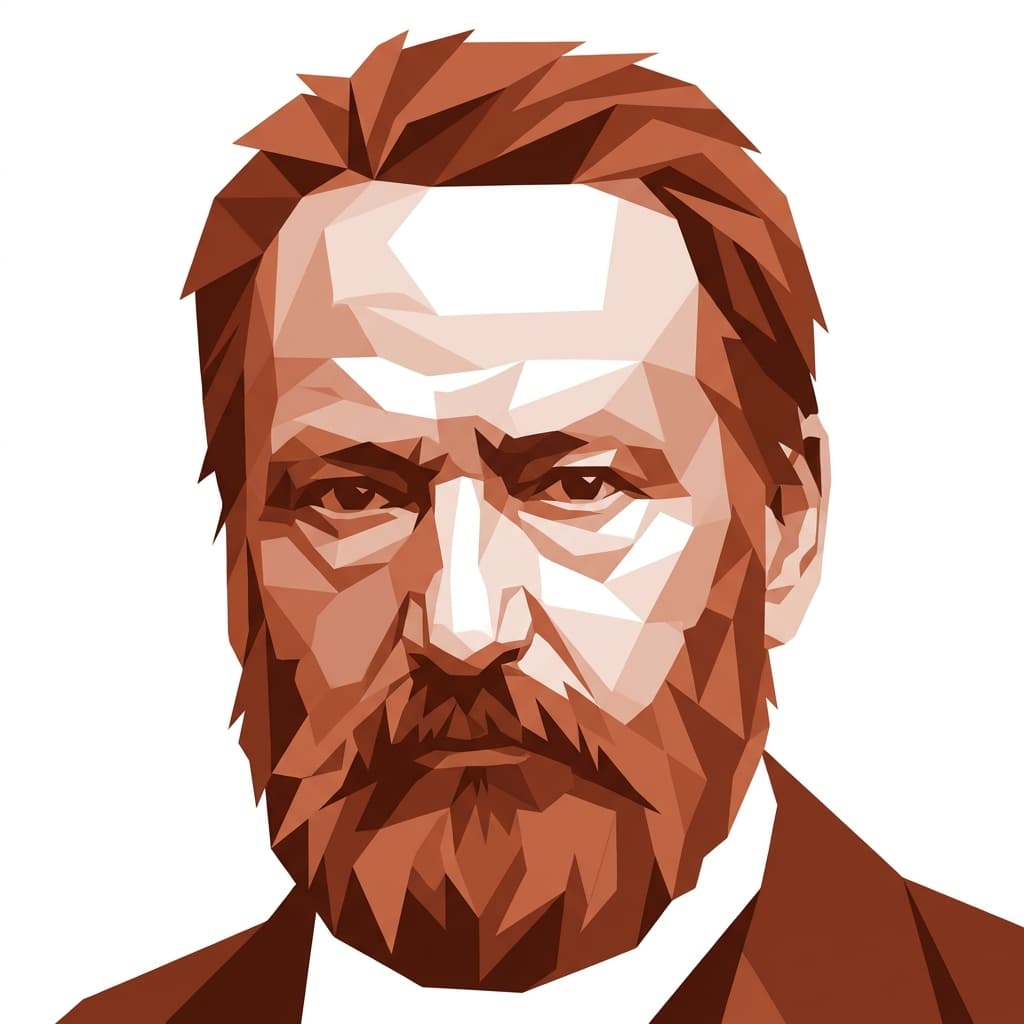
Former NSA contractor who leaked classified surveillance documents in 2013, exposing global mass surveillance programs.
Design
- Q25.4
- h46.4
- R52.5
- g15.2
- i10.2
- S36.6
- T27.3
- U51.5
- V9.6
- W28.2
- X9.4
- Y10.2
- Z50.3
Personality
- Q15.2
- h10.2
- R1.1
- g12.3
- i11.3
- S16.5
- T7.2
- U12.3
- V34.4
- W50.2
- X9.1
- Y11.6
- Z50.1
Edward Snowden is a Generator — built with deep, consistent energy for mastering a craft over years, and the story of how a high-school dropout became one of the world's most consequential intelligence contractors is a Generator arc through and through. He taught himself the systems the NSA and CIA relied on, drilled into their architecture until he understood them better than most of the people who ran them, and then made a decision that would define the rest of his life.
Before the leaks, Snowden was the kind of employee agencies dream of: quiet, technically brilliant, endlessly absorbed in the guts of the machine. Colleagues at Dell and Booz Allen Hamilton described him as a background presence with an uncanny ability to focus on details others glossed past, someone who could sit inside a problem for days. That capacity for long, silent concentration on complex systems is what gave him access — and what let him see the pattern that troubled him. Mass surveillance wasn't a rumor to him; it was a codebase he had read.
His 2/4 profile fits him almost too neatly — the hermit-networker, most himself alone at a terminal but ultimately dependent on a small circle of trusted relationships to move anything into the world. He didn't post the documents himself. He reached out to Laura Poitras and Glenn Greenwald, brought them to a Hong Kong hotel room, and let journalists he had carefully vetted carry the story. The whole operation ran on a handful of relationships he chose with unusual care, and on his instinct for when a thing had to be said and when silence still served.
What still puzzles people is why. Snowden had a girlfriend, a six-figure salary, a house in Hawaii. He walked away from all of it — a Generator saying no to a life that no longer produced a gut yes. By his own account the decision arrived as bodily certainty long before he could fully articulate it, and once he had it he moved with the quiet resoluteness of someone whose body had already committed. He also carried the willingness to detonate his own comfortable life to shock a system out of its patterns, and the conviction that some fights are worth the cost of everything else.
The Moscow years have been the strangest part. Stranded when the U.S. revoked his passport mid-transit, he built a constrained life in exile — speaking to conferences by video link, writing Permanent Record, marrying Lindsay Mills, becoming a father, eventually accepting Russian citizenship. He has kept, through it all, a striking openness and lack of visible bitterness, continuing to publish and comment while waiting for the right moment to weigh in rather than reacting to every news cycle. Whatever one thinks of what he did, he did it as himself — a technician who refused to keep quiet about what he believed was wrong, and who has spent the decade since living inside the consequences.
Sources: biography · birth data

What do you and Edward Snowden have in common?
Enter your birth details to find out