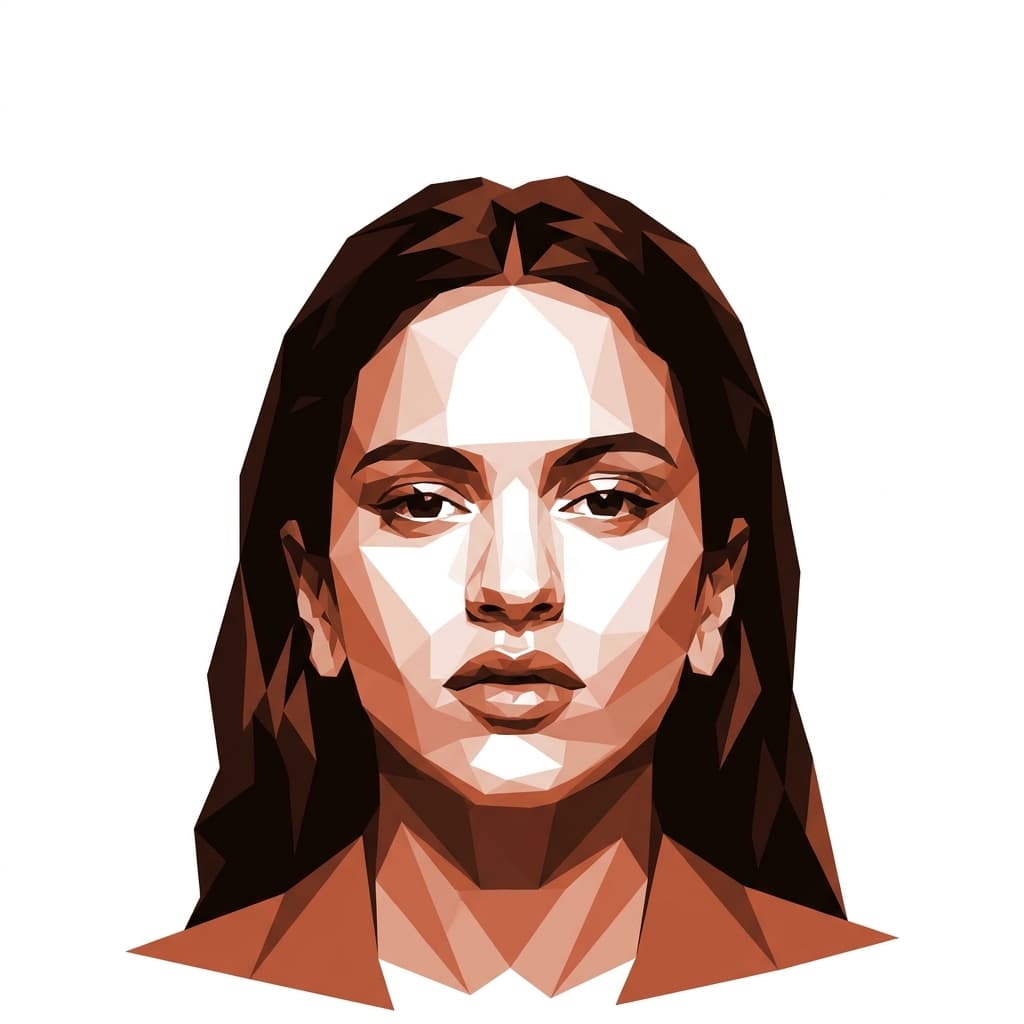
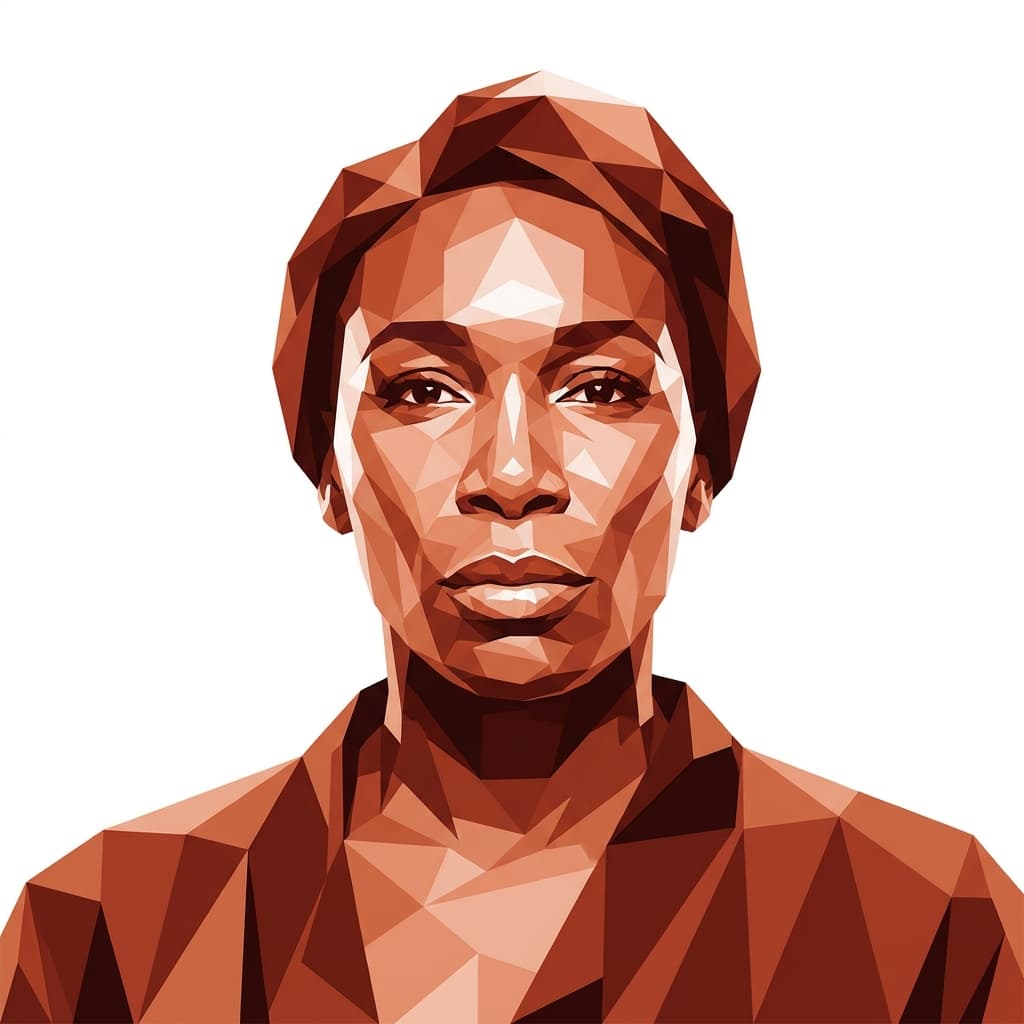
Seven-time Grand Slam champion, entrepreneur, and elder stateswoman of women's tennis.
Design
- Q25.1
- h46.1
- R27.2
- g29.5
- i30.5
- S37.2
- T2.1
- U29.4
- V59.3
- W6.1
- X14.1
- Y11.1
- Z32.1
Personality
- Q12.5
- h11.5
- R29.4
- g4.3
- i49.3
- S62.1
- T12.1
- U47.1
- V59.5
- W47.5
- X43.4
- Y26.5
- Z57.5
Venus Williams is a Generator — built with the kind of sustained, engine-deep stamina that lets someone play professional tennis for nearly three decades and keep showing up for first-round matches at 43. Her career hasn't been a single burst of brilliance; it's been the slow, insistent accumulation of someone who genuinely loves the work of hitting a tennis ball, even after seven Grand Slam singles titles, five Wimbledons, and an autoimmune disease that would have quietly ended most careers.
Raised on the public courts of Compton by a father with a 78-page plan, Venus moved through the junior circuit and into the pros with the 5/1 profile's particular signature — a foundation built in near-isolation before stepping into a very public role. She and Serena didn't come up through the country-club academies; Richard kept them home, kept them studying, kept them building a foundation before stepping into the spotlight. When she finally arrived at the US Open final in 1997 at seventeen, she already knew things about her own game that her opponents were only beginning to figure out.
Her decision-making has always run on a longer clock than the tour typically rewards. She's the kind of competitor who sleeps on things, who takes weeks to answer a question a reporter thought was simple, who left the WTA Tour Championships in 2011 not with a dramatic announcement but with a Sjögren's syndrome diagnosis she'd been quietly processing. That same patience shows up in how she waits for the shot rather than forcing it — the long rallies, the willingness to grind through a third set that other players want to end quickly.
Off the court, Venus has been quietly persuading the sport to pay women what it owes them. Her 2005 and 2006 campaign for equal prize money at Wimbledon — including an essay in The Times and a face-to-face meeting with tournament officials — ended a century of unequal purses at the majors. She did it with a lawyer's precision and a champion's leverage, directing her considerable earning power toward something bigger than her own bank account. She launched EleVen (activewear) and V Starr (interior design) in the same decade, running two companies while ranked in the top ten.
She and Serena have always been each other's closest bond and fiercest opponents, a relationship that reads like the deepest kind of sisterhood tested across a net. Nine Grand Slam finals against each other. Fourteen doubles titles together. Venus has spoken about the strange grief of beating her sister and the stranger grief of losing to her, holding a devotion that most people never get to feel while also competing at the highest level of a solo sport.
What's most striking about Venus in her forties is how she's kept an unshakeable openness to the game that broke her body and made her famous. She still enters tournaments. She still loses first rounds sometimes. She still shows up. She carries a sense that her direction will keep revealing itself, and that the point isn't the trophy count anymore — it's the fact that she's still, improbably, playing.
Sources: biography · birth data
What do you and Venus Williams have in common?
Enter your birth details to find out