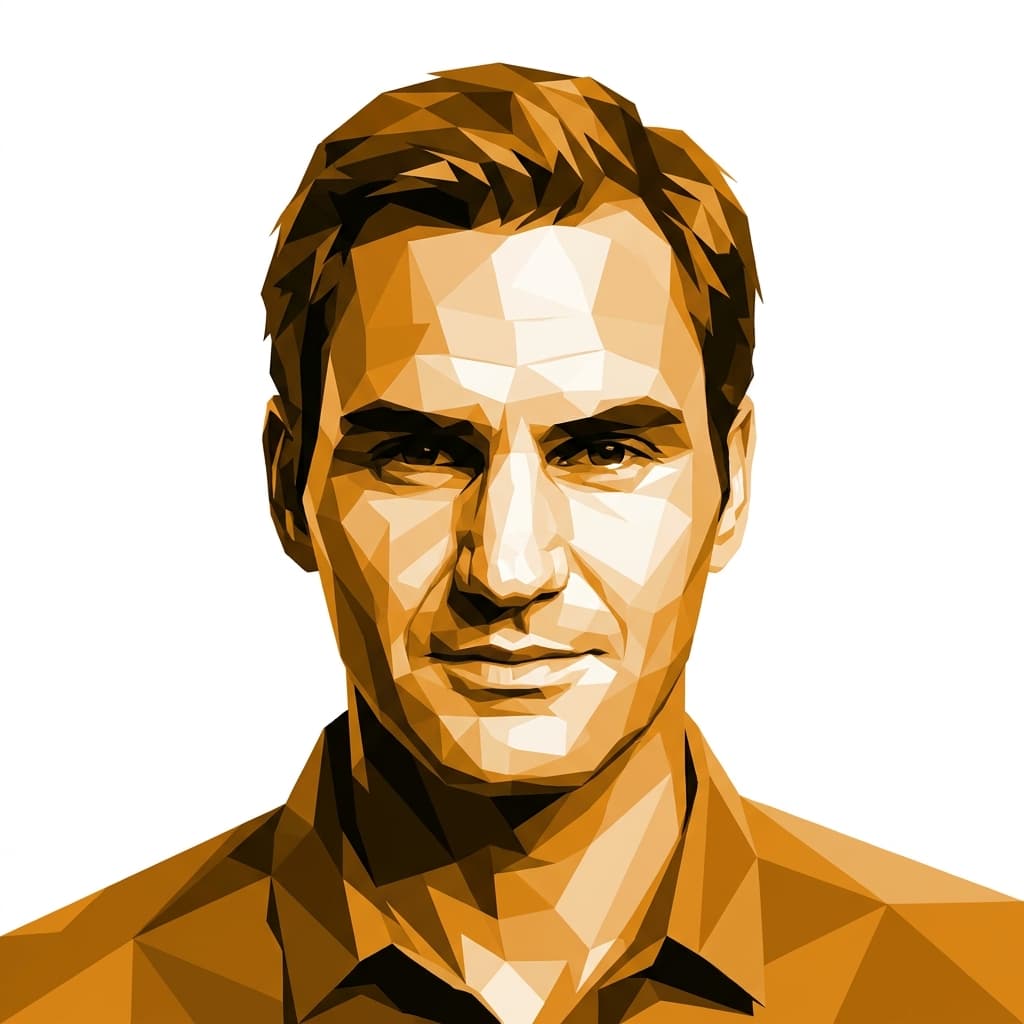
Serial entrepreneur behind Tesla, SpaceX, and X, pursuing electric vehicles, spaceflight, and AI.
Design
- Q17.5
- h18.5
- R24.5
- g49.5
- i4.5
- S42.6
- T30.6
- U38.1
- V9.1
- W23.2
- X48.3
- Y34.3
- Z6.6
Personality
- Q52.3
- h58.3
- R40.3
- g13.2
- i7.2
- S39.5
- T45.3
- U49.3
- V14.4
- W20.2
- X18.6
- Y34.1
- Z6.5
Elon Musk is a Manifesting Generator — wired to chase several improbable ambitions at once without picking just one — and his career is a straight demonstration of that wiring. Electric cars, reusable rockets, brain implants, tunnels, satellite internet, and a social network all run in parallel because niching down was never the assignment. He famously sleeps on factory floors during production crunches, then pivots to a rocket landing test the next morning, powered by the kind of raw stamina that only shows up for what excites him.
Growing up in Pretoria as a bookish kid who taught himself to code and sold a game called Blastar at twelve, Musk lived the 3/5 profile pattern early: learn by doing, blow things up, extract the lesson, then repackage it as a solution other people can use. Zip2 and X.com were the trial runs; PayPal was the first real payoff. SpaceX's first three Falcon 1 launches ended in wreckage before the fourth reached orbit — a public, expensive, and deeply characteristic version of learning through the wreckage of the last attempt. He treats failure as data, not shame, which is exactly what the design asks of him.
His decision-making tempo is notoriously fast. Colleagues describe meetings where he asks a question, waits a beat, and issues an irrevocable call — hire, fire, ship, scrap. The $44 billion Twitter acquisition was announced, un-announced, and litigated back into existence on what looked like a gut pull he couldn't quite explain but wouldn't override. The same respond-first-inform-later cadence shows up in his tweets: he reacts to something in his feed, and the reaction becomes company policy by morning. Sometimes it works. Sometimes it costs him a billion dollars in SEC settlements.
The engineering mind underneath the theatrics is genuinely relentless. He's known for the "first-principles" method — stripping a problem down to physics and asking why the received answer has to be that way — which is a mind that can't rest until the logic actually holds. At SpaceX he questioned why rocket components cost what they did and found the raw materials were roughly two percent of the price; at Tesla he questioned why battery packs had to be assembled the way they were. That same drive fuels an obsessive focus on small manufacturing details that most CEOs would delegate — bolt patterns, gigacasting, factory throughput per square meter.
He is also, plainly, a provocateur. His posts on X read like emotional weather deliberately stirred up to see what surfaces, and he seems to genuinely believe certain fights are worth burning down bridges for — whether that's short-sellers, the SEC, legacy media, or OpenAI's board. His political turn, DOGE, and public feuds have alienated large chunks of his former audience, and he shows little interest in walking any of it back. Whether you read him as a generational builder or a cautionary tale often depends on how you feel about someone determined to reorganize entire industries around what he thinks is right — Mars-bound, sleep-deprived, and unwilling to pretend the current version of things is good enough.
Sources: biography · birth data
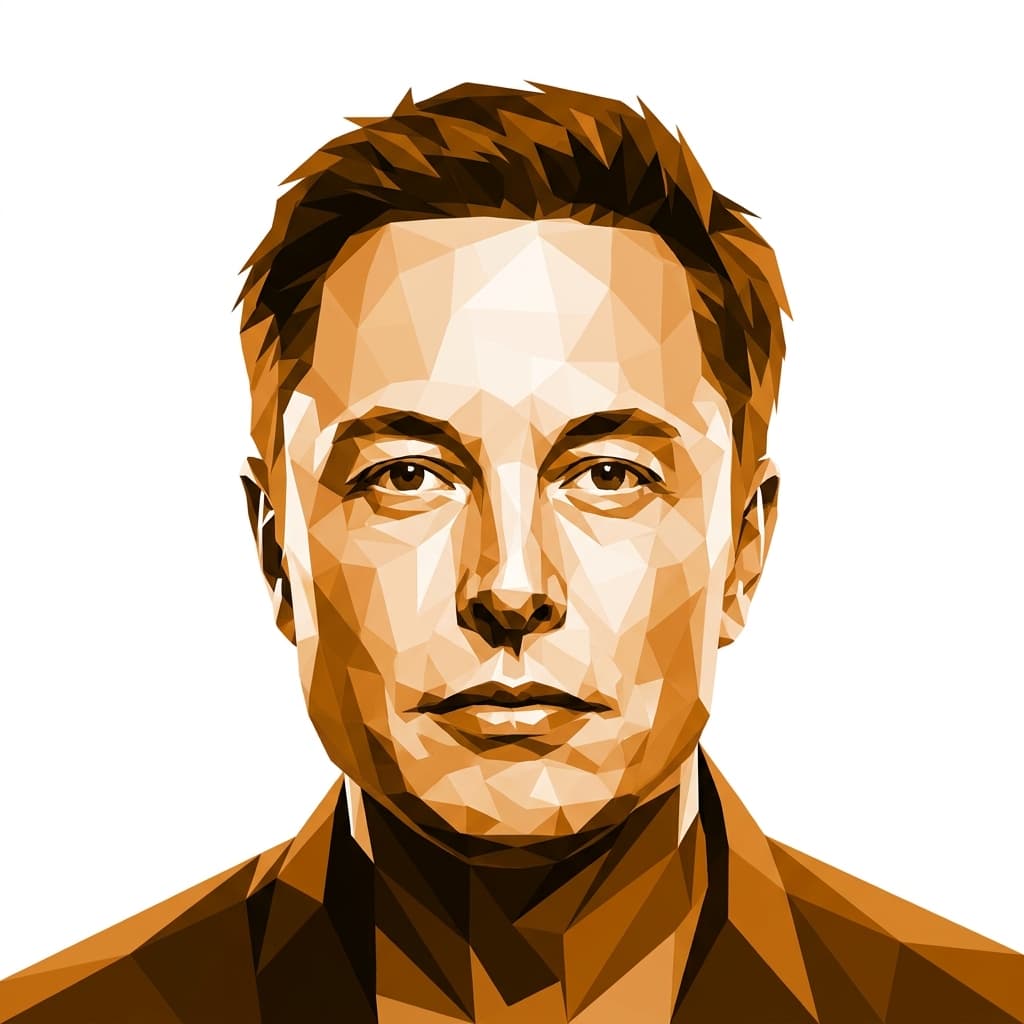
What do you and Elon Musk have in common?
Enter your birth details to find out